The Only Haircare Routine You Need for Healthy, Shiny Hair (Step-by-Step)
Build the only haircare routine you’ll ever need. Morning, night, and weekly steps to get healthy, shiny hair — plus the 9 best products that actually work.
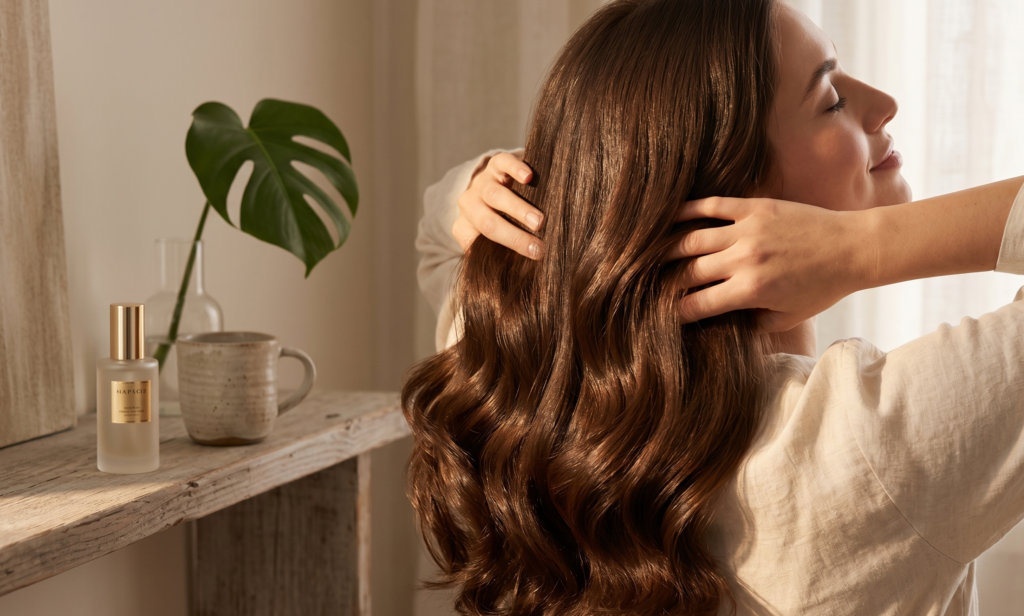
If your hair feels dry, dull, or just never quite right — chances are it’s not your hair. It’s your routine.
Most of us were never actually taught how to care for our hair properly. We just copy what our moms did, grab whatever’s on sale, and hope for the best.
But building a consistent haircare routine doesn’t have to be complicated. In fact, the simpler it is, the better your results will be.
This guide breaks it all down: what to do in the morning, what to do at night, how to reset your hair every week, what mistakes are quietly wrecking your strands, and how to layer your products so they actually work.
Let’s get into it.
Affiliate Disclaimer: Her Daily Lab is a participant in the Amazon Services LLC Associates Program, an affiliate advertising program designed to provide a means for sites to earn advertising fees by advertising and linking to Amazon.com. This post contains affiliate links, meaning we may earn a small commission if you make a purchase — at no extra cost to you. We only recommend products we genuinely love.
Why Your Hair Routine Actually Matters
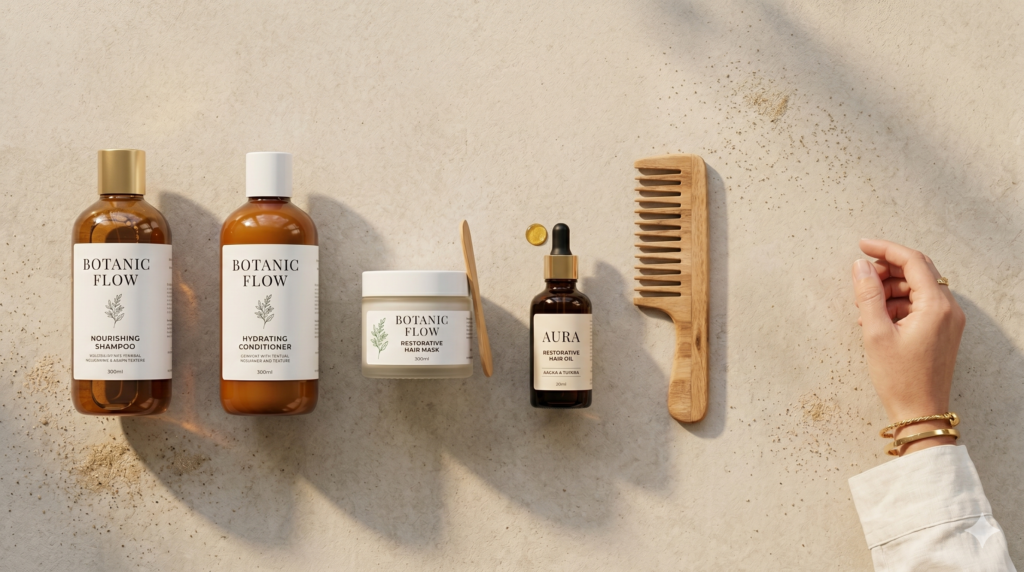
Your hair doesn’t grow healthy by accident. It needs consistency, the right products, and the right order of steps.
Think of it like skincare. You wouldn’t put on moisturizer before cleansing. The same logic applies to your hair.
A solid routine protects your strands from damage, keeps your scalp balanced, and makes your hair look shinier and feel stronger over time.
The good news? Once you build the habit, it takes less than 10 minutes a day.
What Hair Type Are You Working With?
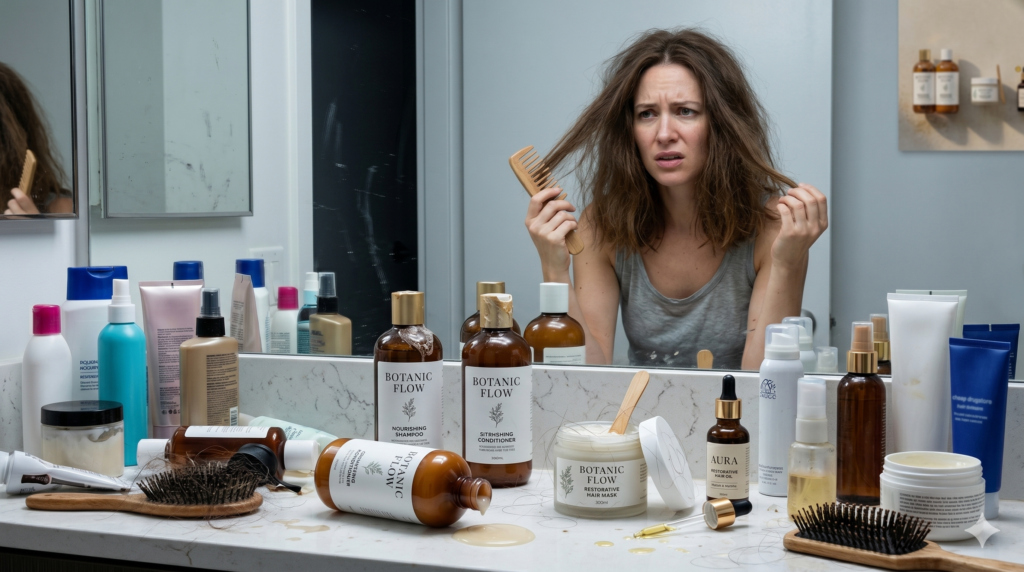
Before anything else, you need to know what you’re working with.
The biggest mistake people make is following a routine that wasn’t designed for their hair type. Here’s a quick breakdown:
- Fine hair: Gets weighed down easily. Needs lightweight, volumizing products.
- Thick or coarse hair: Needs more moisture. Heavier creams and oils work well.
- Curly or wavy hair: Needs extra hydration and gentle detangling. Avoid harsh sulfates.
- Oily hair: Focus on scalp care. Lightweight conditioner only on the ends.
- Dry or damaged hair: Prioritize moisture and protein balance. Go easy on heat.
Once you know your type, every product decision becomes easier.
The Step-by-Step Haircare Routine
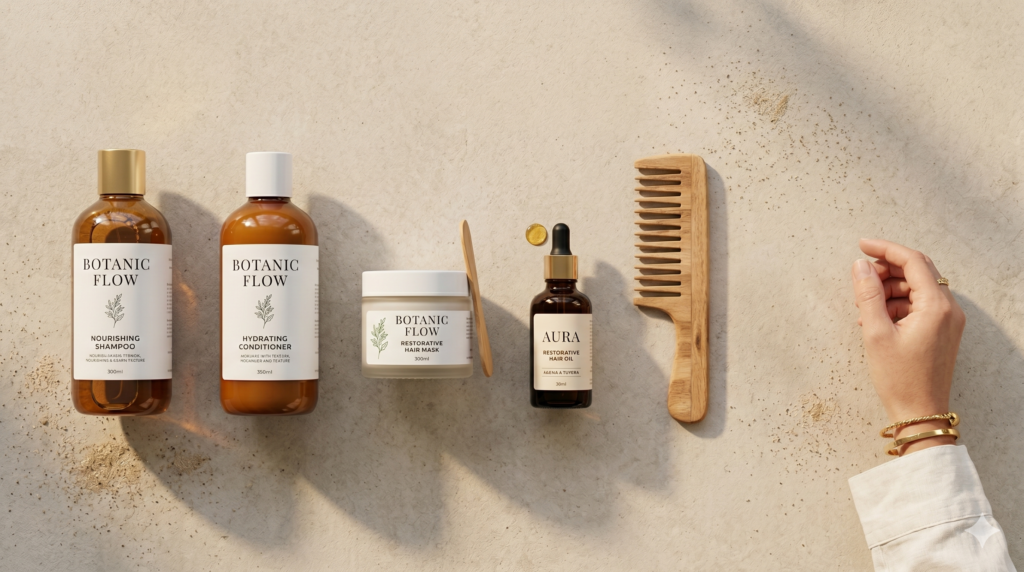
Your Morning Hair Routine
You don’t need to do much in the morning — but what you do matters.
Step 1: Refresh, don’t re-wet.
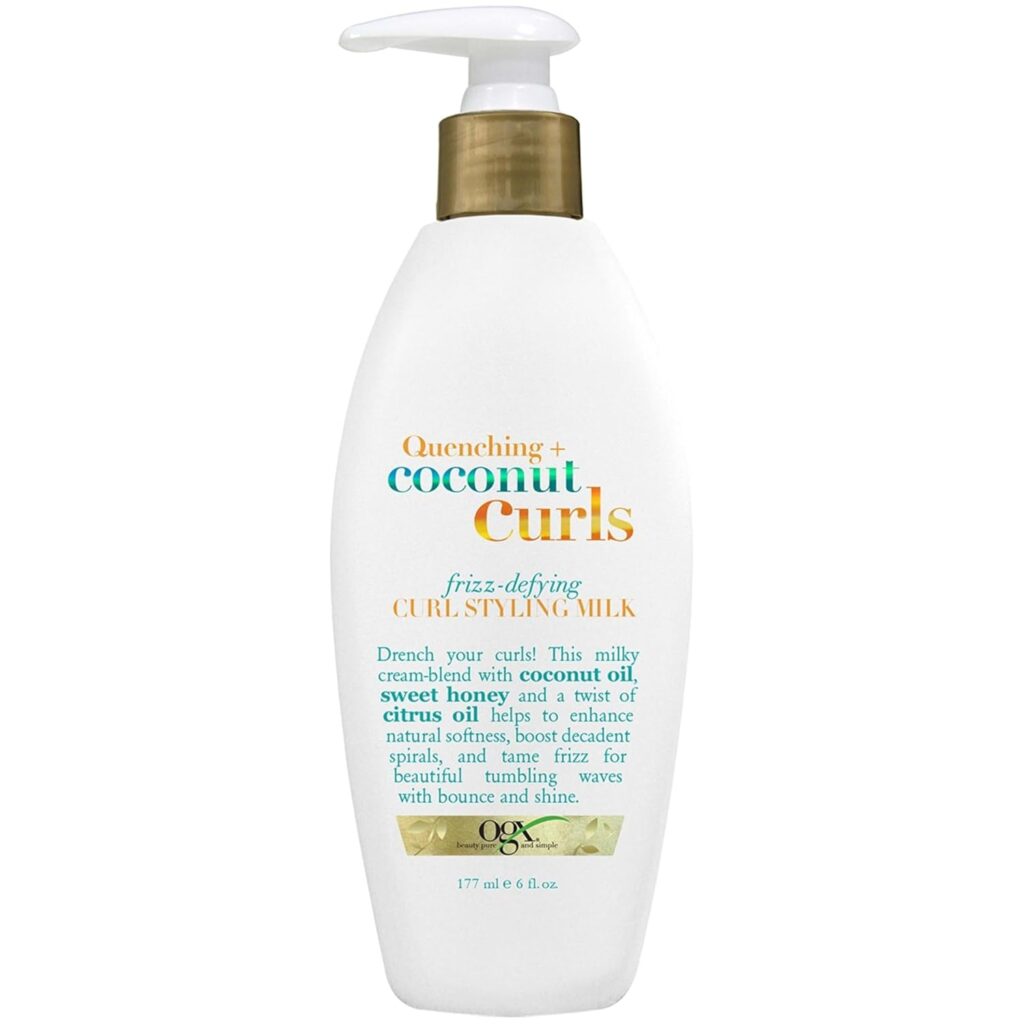
Unless it’s a wash day, skip soaking your hair. Instead, use a spray bottle with water or a leave-in conditioner to refresh your style.
A leave-in conditioner is your best friend here. It adds moisture back into dry or frizzy strands without restyling from scratch.
👉 Try: OGX Nourishing Coconut Milk Leave-In Conditioner — Check price on Amazon
Step 2: Detangle gently.
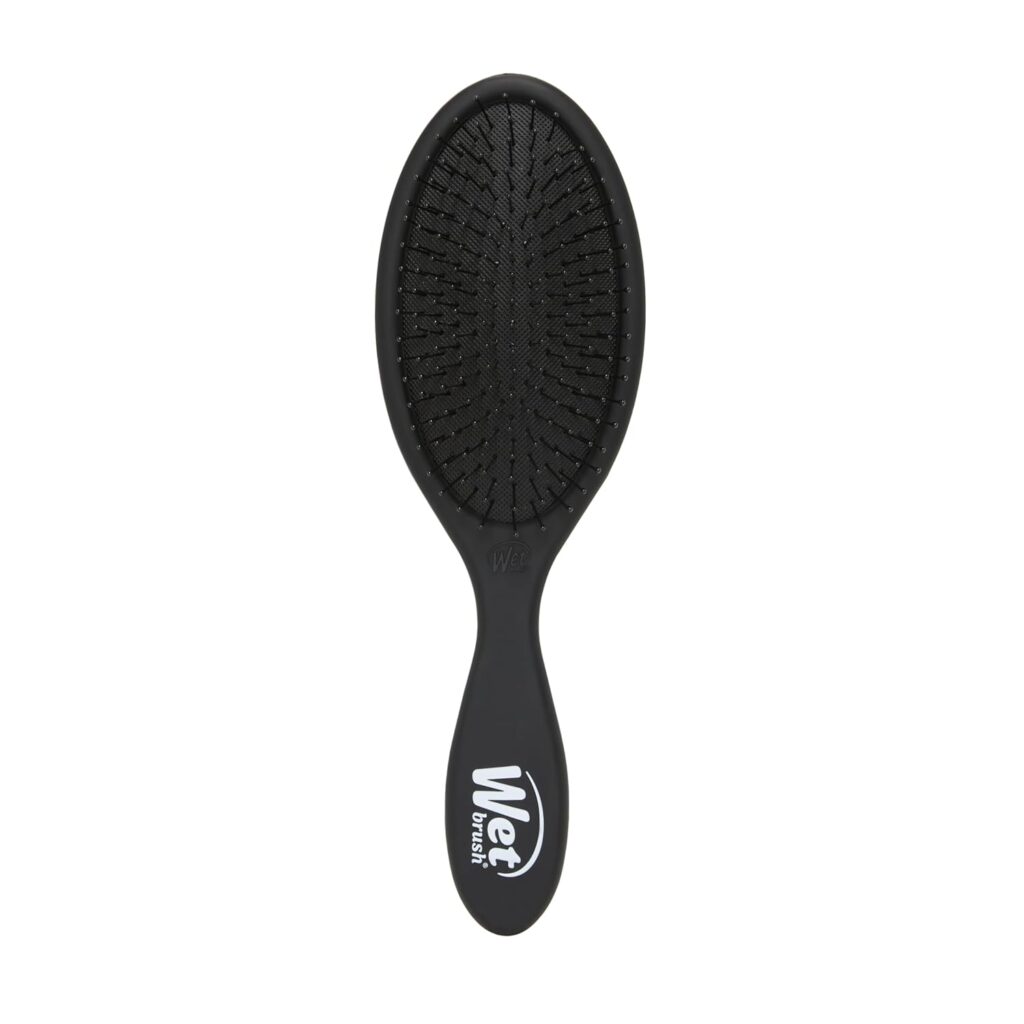
Always start from the ends and work your way up. Never rip a comb through dry, tangled hair — that’s one of the fastest ways to cause breakage.
Use a wide-tooth comb or a detangling brush.
👉 Try: Wet Brush Original Detangler — Check price on Amazon
Step 3: Apply a light styling product if needed.
If you’re wearing your hair down, a small amount of hair oil or a smoothing serum adds shine and controls frizz without making hair greasy.
Step 4: Protect before heat.
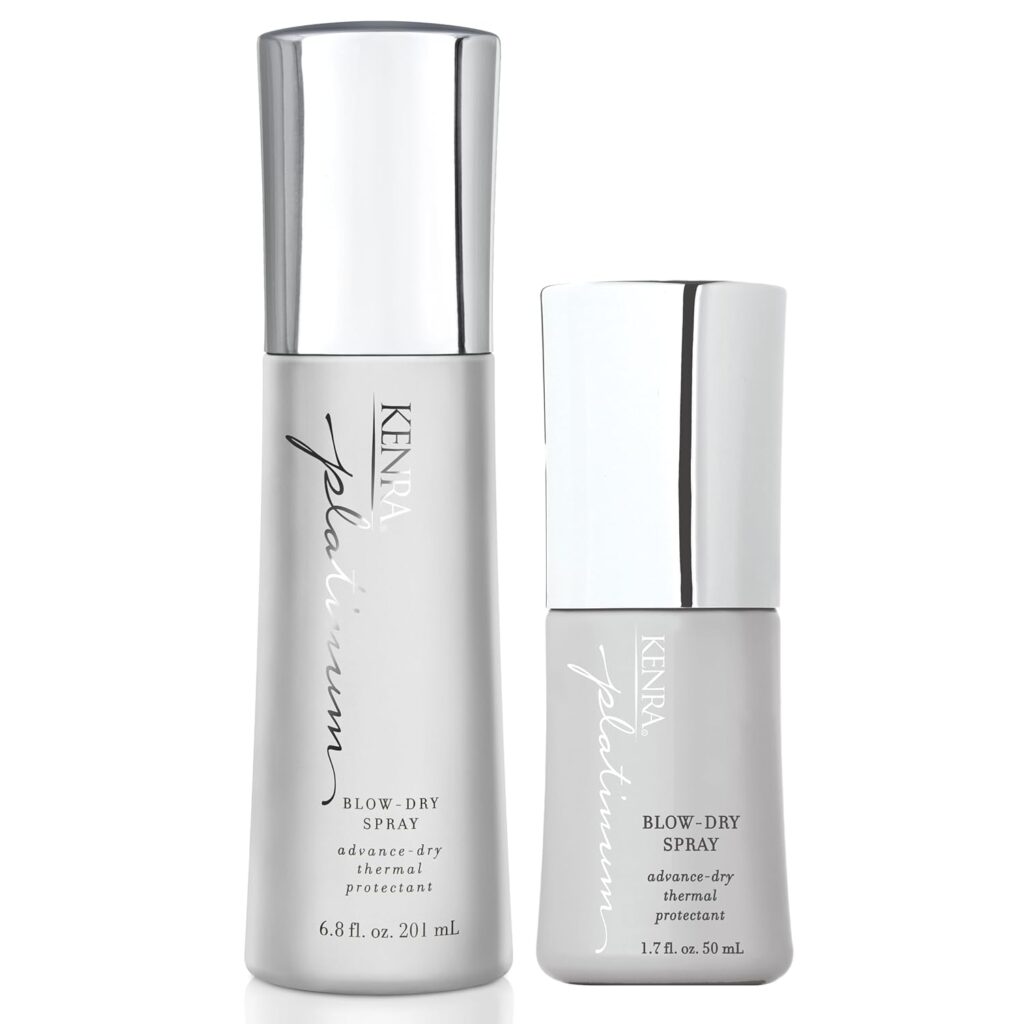
If you’re using a flat iron, curling wand, or blow dryer — always, always apply a heat protectant first. This step alone can save your hair from years of unnecessary damage.
👉 Try: Kenra Platinum Silkening Mist Heat Protectant — Check price on Amazon
Your Night Hair Routine

Your nighttime routine is where the real repair happens.
While you sleep, your hair is either protected or being rubbed against rough cotton — causing friction, breakage, and frizz. A few small changes make a huge difference.
Step 1: Loosely braid or tie your hair.

A tight ponytail overnight causes tension and breakage at the hairline. Instead, do a loose braid or a soft bun with a scrunchie (no elastic bands).
👉 Try: Kitsch Satin Scrunchies Set — Check price on Amazon
Step 2: Apply a nourishing hair oil.
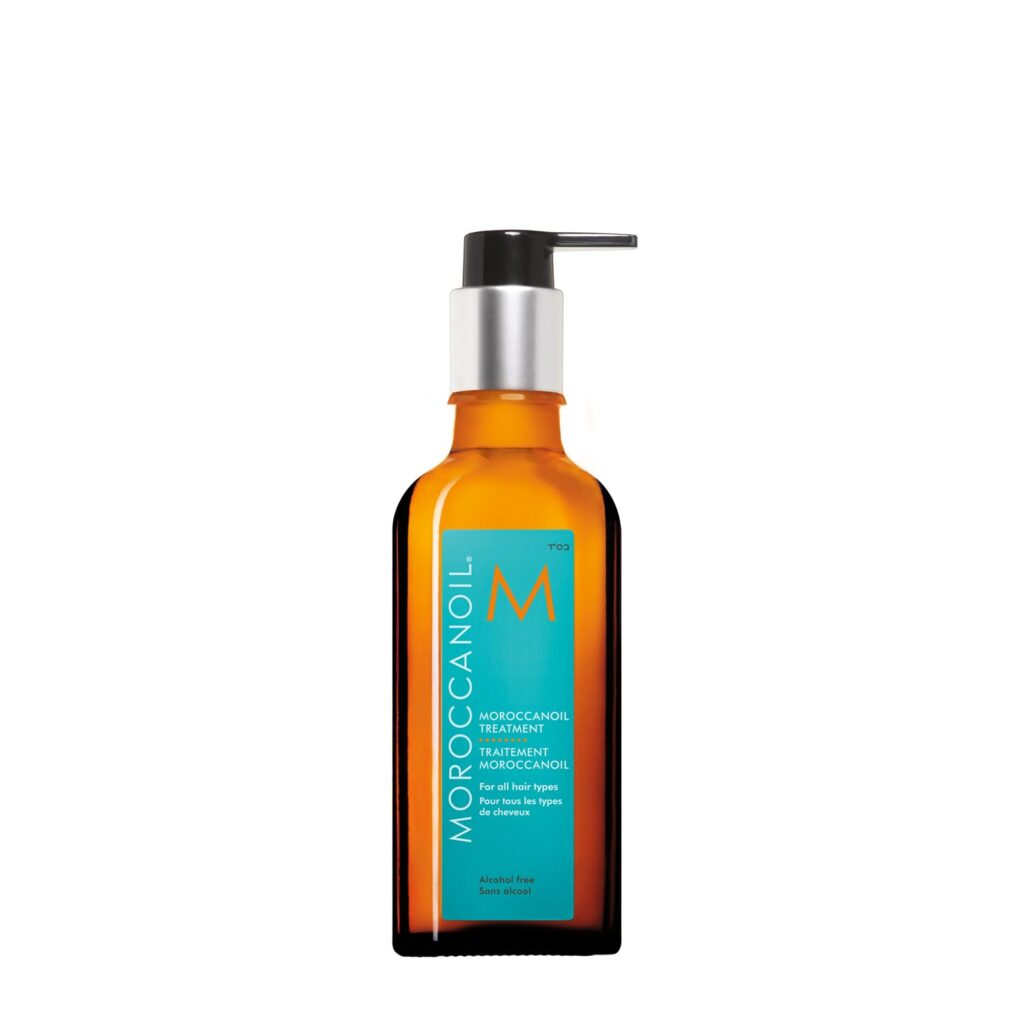
Before bed is the best time to use a heavier hair oil. Apply a few drops to the ends — the driest part of your hair — and work it up to mid-shaft if your hair is very dry.
Do not apply oil directly to the roots unless your scalp is very dry.
👉 Try: Moroccanoil Treatment Original — Check price on Amazon
Step 3: Switch to a silk or satin pillowcase.
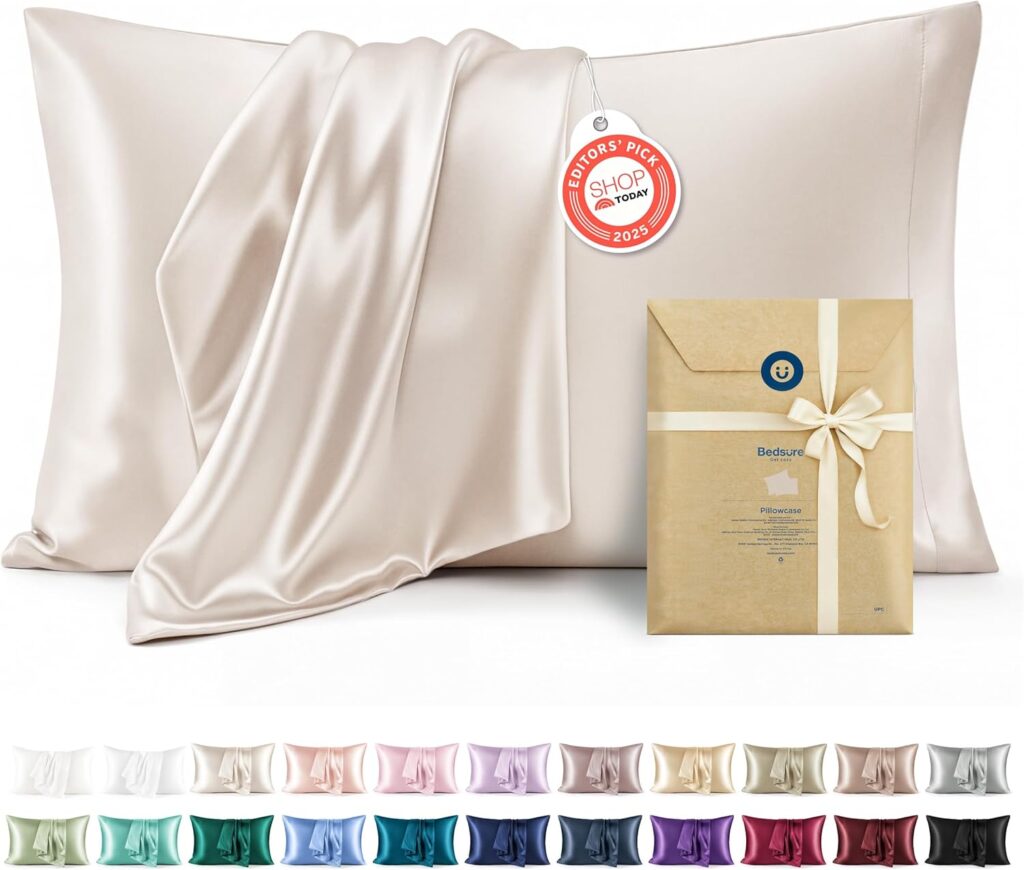
This is the single easiest upgrade you can make. Satin creates less friction than cotton, meaning less frizz, fewer tangles, and less breakage while you sleep.
👉 Try: Bedsure Satin Pillowcase for Hair and Skin — Check price on Amazon
Your Weekly Hair Reset Routine
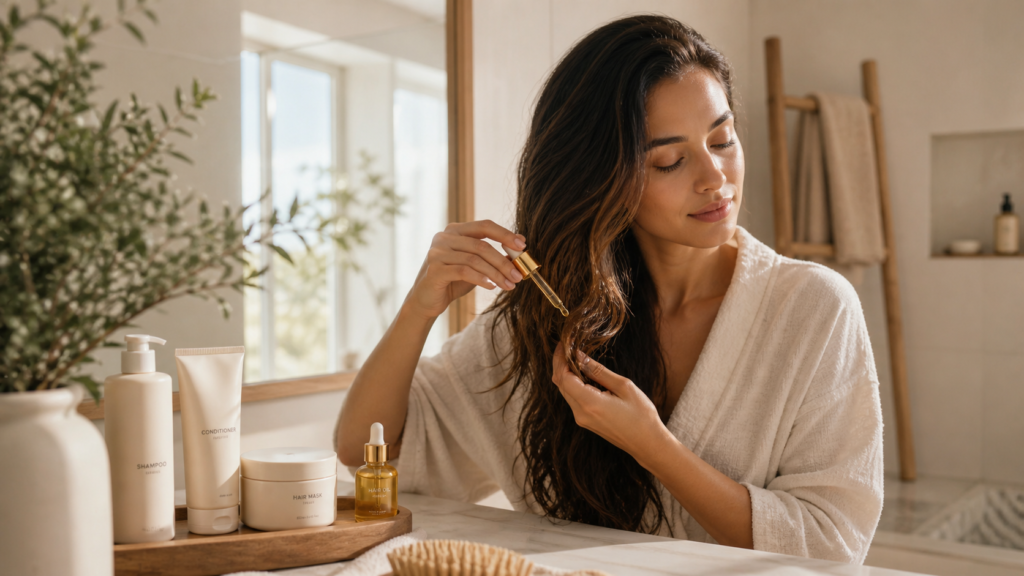
Once a week, your hair needs a deeper reset. Think of this as the foundation of everything else.
Sunday (or any wash day) is the perfect time to do this.
Step 1: Pre-shampoo oil treatment (optional but powerful)
Before you even get in the shower, apply a generous amount of oil (coconut, argan, or olive) to dry hair from root to tip. Leave it on for 20-30 minutes.
This protects your hair from the drying effects of shampoo and adds extra moisture.
Step 2: Shampoo the scalp — not the ends
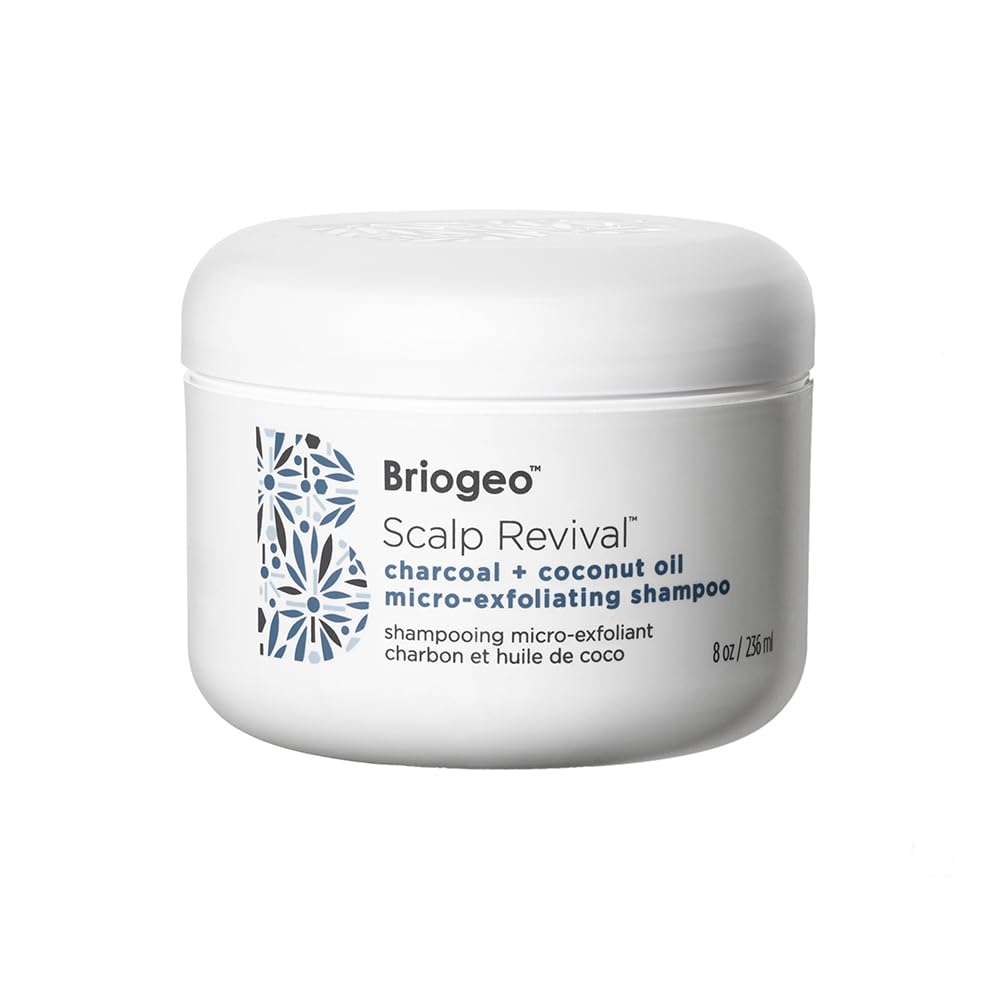
Your shampoo should focus on the scalp. That’s where oil, product buildup, and dead skin cells accumulate.
Apply shampoo to the roots, massage gently with your fingertips (not your nails), and let the lather rinse down through the ends. You don’t need to scrub the lengths.
For most people, one wash is enough. If you use a lot of styling products or sweat heavily, a double cleanse might help.
👉 Try: Briogeo Scalp Revival Charcoal + Coconut Oil Micro-Exfoliating Shampoo — Check price on Amazon
Step 3: Deep condition
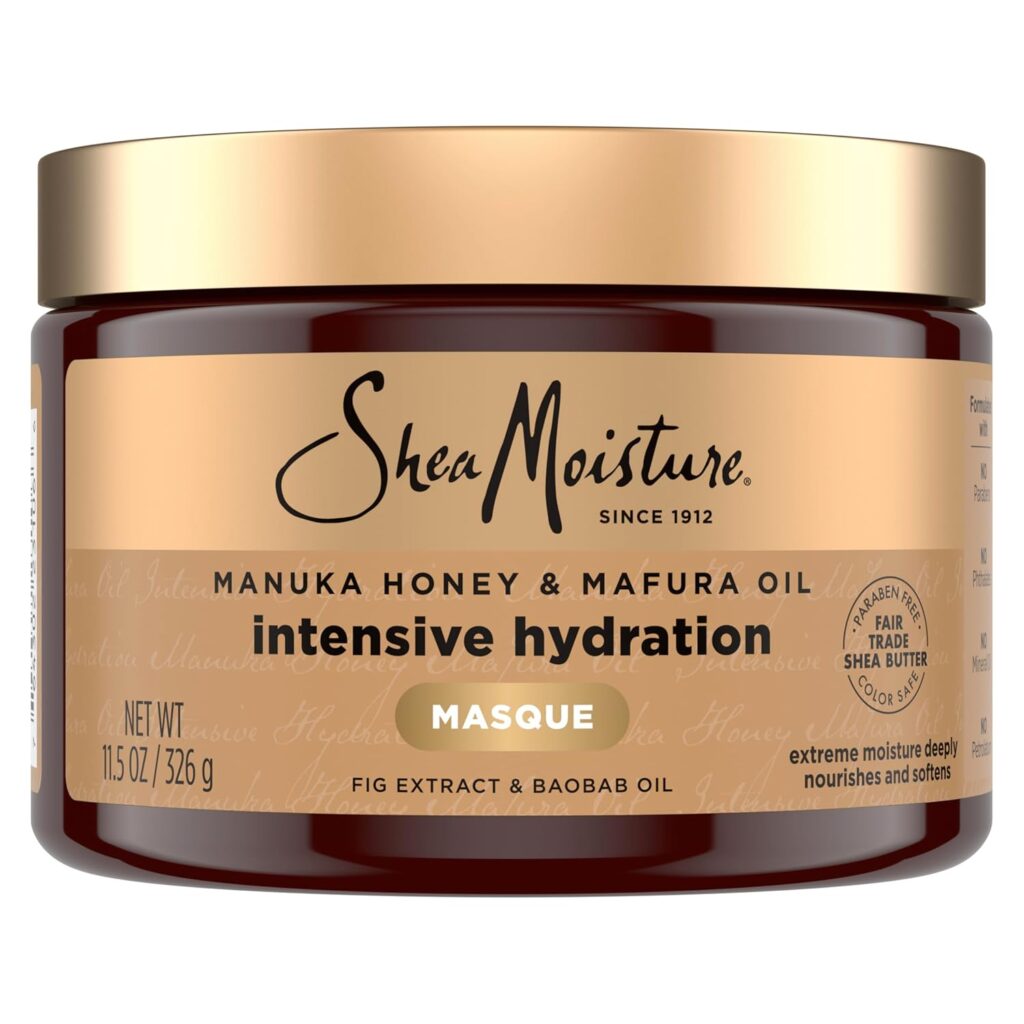
After shampooing, apply a deep conditioning mask from mid-shaft to ends. Leave it on for at least 5-10 minutes while you do the rest of your shower routine.
This is non-negotiable if your hair is color-treated, heat-styled, or naturally dry.
👉 Try: SheaMoisture Manuka Honey & Mafura Oil Intensive Hydration Masque — Check price on Amazon
Step 4: Cold rinse
Before stepping out of the shower, do a quick cold water rinse. Cold water seals the hair cuticle, which is what makes your hair look shiny.
Warm water opens the cuticle; cold water closes it. Simple.
Step 5: Towel dry — correctly
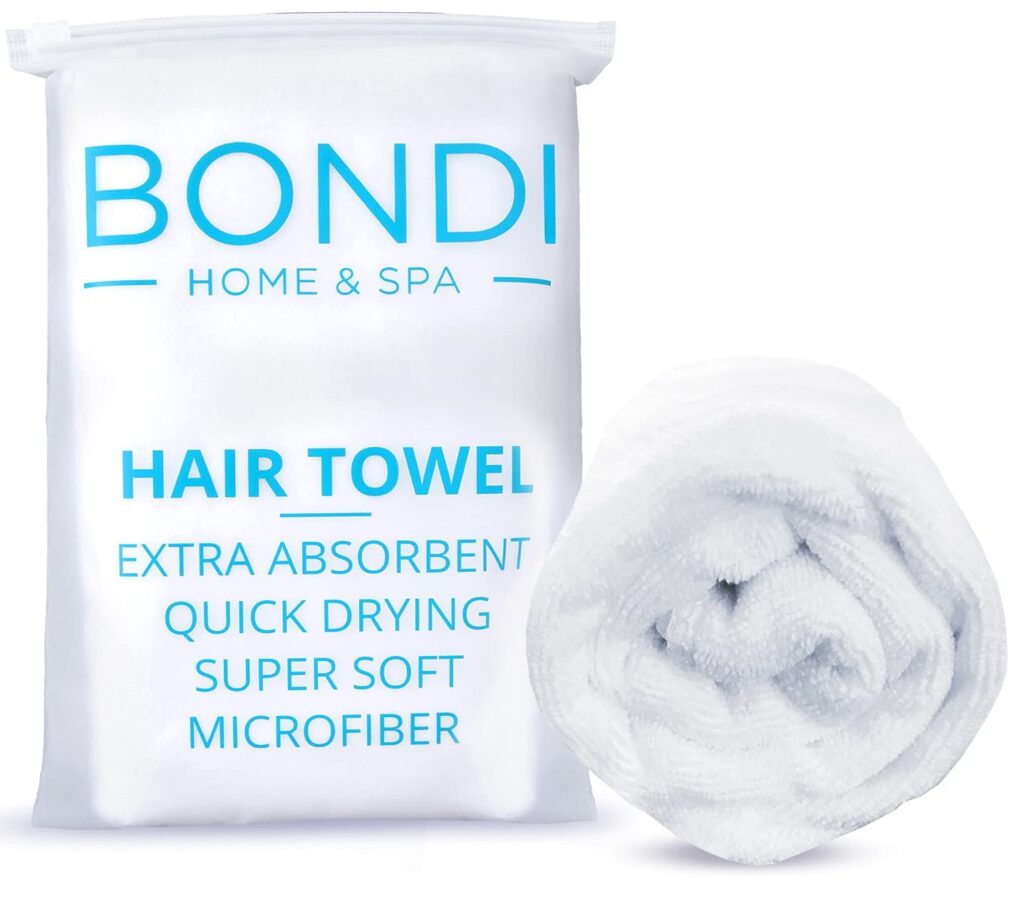
Don’t rub your hair with a towel. Hair is most fragile when it’s wet.
Instead, gently squeeze out excess water and wrap your hair in a microfiber towel or a cotton T-shirt. This absorbs water without the friction that causes breakage and frizz.
👉 Try: Aquis Original Microfiber Hair Towel — Check price on Amazon
Step 6: Apply leave-in and seal with oil
While hair is still damp, apply a leave-in conditioner first, then seal with a light oil. This “moisture + seal” method keeps hydration locked in as your hair dries.

The 7 Haircare Mistakes That Are Ruining Your Hair
You can have the best products in the world and still not see results if you’re making these common mistakes.
1. Washing your hair every day
Daily washing strips your scalp of its natural oils, forcing it to overproduce sebum to compensate. Most hair types do best with 2-3 washes per week.
2. Using too much heat, too often
High heat (above 400°F) breaks down your hair’s protein structure over time. Lower your tool temperatures and always use heat protectant.
3. Skipping the scalp
Healthy hair starts at the scalp. If your scalp is dry, flaky, or congested with product buildup, your hair growth will suffer. Massage your scalp weekly to stimulate circulation.
4. Conditioning from root to tip
Conditioner near the scalp weighs hair down and can clog follicles. Always apply conditioner from mid-shaft to ends only.
5. Brushing wet hair aggressively
Wet hair stretches before it breaks. Always detangle gently with a wide-tooth comb or a wet brush, starting from the ends.
6. Using products with harsh sulfates and alcohols
Check your product labels. Sodium lauryl sulfate (SLS) and drying alcohols (like alcohol denat.) can strip your hair and cause long-term dryness and breakage.
7. Skipping trims
Split ends don’t heal. They travel up the hair shaft. Getting a trim every 8-12 weeks prevents breakage and keeps your hair looking healthier overall.
How to Layer Your Hair Products (The Right Order)
Product layering order makes or breaks your results. Here’s the golden rule: lightest to heaviest.
Apply products in this order after washing:
- Leave-in conditioner (water-based, lightweight) — applied to damp hair
- Curl cream or styling cream (if applicable) — helps define texture
- Hair serum or essence (optional, targets specific concerns like frizz or shine)
- Hair oil (seals everything in, adds shine, prevents moisture loss)
- Styling products (mousse, gel, or spray) — only if you’re styling
Why this order?
Water-based products need to penetrate the hair shaft. Oils and heavy creams create a seal on the outside. If you apply oil first, nothing else can get in.
Building Your Routine: Simple Weekly Schedule
| Day | What To Do |
|---|---|
| Monday | Refresh with leave-in, light oil on ends |
| Tuesday | Refresh, scalp massage (no product) |
| Wednesday | Wash day: shampoo + deep condition |
| Thursday | Light styling, heat protect if using tools |
| Friday | Refresh with leave-in |
| Saturday | Light oil on ends before bed |
| Sunday | Wash day #2 OR scalp treatment |
You don’t need to follow this exactly — adjust based on your hair type and lifestyle. The key is consistency.
Frequently Asked Questions
How often should I wash my hair?
Most people benefit from washing 2-3 times per week. If your hair is curly, coily, or very dry, once a week may be enough. If it’s fine or you work out daily, every other day might work better for you. There’s no universal answer — pay attention to how your scalp feels.
Is it bad to go to bed with wet hair?
Wet hair is fragile and more prone to breakage. It can also create a humid environment on your scalp, which may lead to fungal issues over time. If you need to shower at night, try to give your hair at least 30-40 minutes to partially air dry before sleeping.
What actually makes hair shiny?
Shine comes from a smooth, sealed hair cuticle. Cold water rinses, leave-in conditioner, lightweight oils, and avoiding heat damage all help keep the cuticle flat. Products with silicones (like dimethicone) also create a reflective surface — just make sure to clarify regularly so they don’t build up.
Do hair growth serums actually work?
Some ingredients, like minoxidil and caffeine, have clinical evidence behind them for stimulating hair growth. Others are more marketing than science. If you’re experiencing significant hair loss or thinning, see a dermatologist before spending money on supplements or serums.
Final Thoughts
You don’t need 15 products or a complicated 10-step process to have healthy, shiny hair.
You need the right steps, the right order, and the consistency to show up for your hair — even on the lazy days.
Start small. Pick one thing from this guide to add to your routine this week. Then build from there.
Your hair will thank you.
Did this post help you? Save it to your Pinterest boards and share it with a friend who’s struggling with their hair!