Best Haircare Products for Dry, Damaged Hair (That Actually Work)
If your hair feels like straw no matter what you do — you’re not alone. Dry, damaged hair is one of the…
If your hair feels like straw no matter what you do — you’re not alone.
Dry, damaged hair is one of the most common (and most frustrating) hair struggles out there. And the worst part? Using the wrong products can make it even worse.
I’ve been there. Over-processed, heat-damaged, chronically frizzy hair that just wouldn’t cooperate.
After a lot of trial and error, I found the products that actually make a difference. Not just a little softer for one wash — but genuinely healthier hair over time.
This is your no-fluff guide to the best haircare products for dry, damaged hair in 2025.
Affiliate Disclaimer: This post contains affiliate links. If you purchase through them, Her Daily Lab may earn a small commission at no extra cost to you. I only recommend products I genuinely believe in.
Why Most Products Don’t Work for Damaged Hair
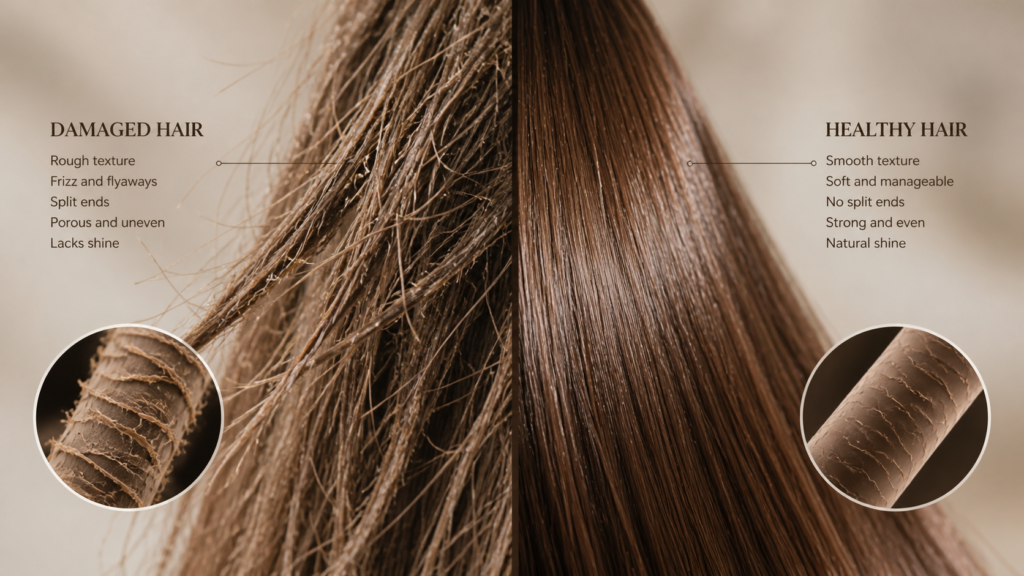
Here’s the thing: damaged hair has a compromised cuticle layer.
That outer layer — the one that’s supposed to keep moisture locked in — is lifted, cracked, or missing chunks entirely. So when you slap on a regular conditioner and call it a day, the moisture just… escapes.
Damaged hair needs:
- Protein to rebuild structure
- Deep moisture to restore flexibility
- Sealing ingredients (like oils) to lock it all in
The products below are chosen specifically for this. Every single one addresses at least one of these needs.
The 5 Best Haircare Products for Dry, Damaged Hair
1. Best Shampoo for Damaged Hair
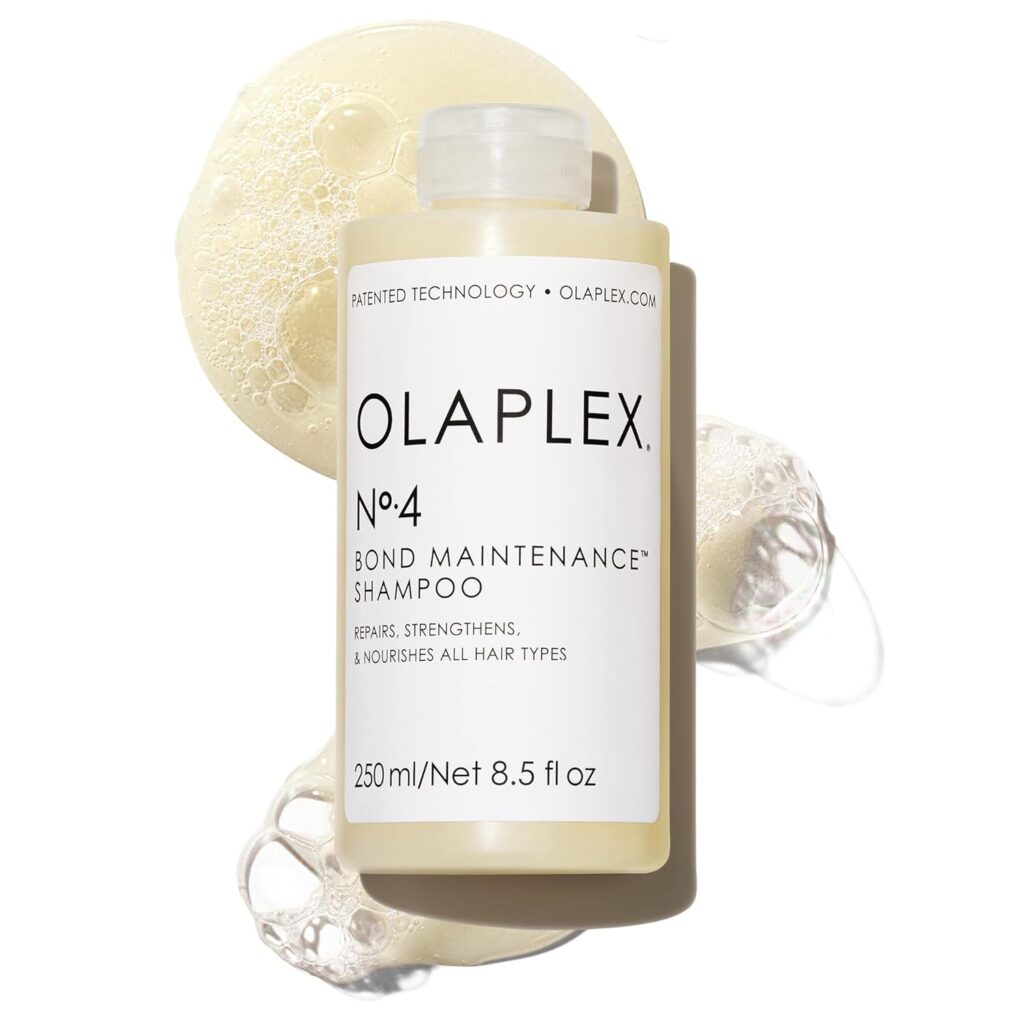
The foundation of any repair routine is a sulfate-free, moisturizing shampoo.
Sulfates are the foaming agents in most drugstore shampoos — and they strip your hair of natural oils every single time you wash. For damaged hair, that’s the last thing you need.
What to look for:
- Hydrolyzed keratin or protein
- Panthenol (vitamin B5)
- No sulfates, no parabens
- Gentle enough for color-treated hair
👉 Check this shampoo on Amazon
Pro tip: Only shampoo your roots, not your ends. Your ends are the oldest, most fragile part of your hair — they don’t need the extra cleansing.
2. Best Conditioner for Dry Hair
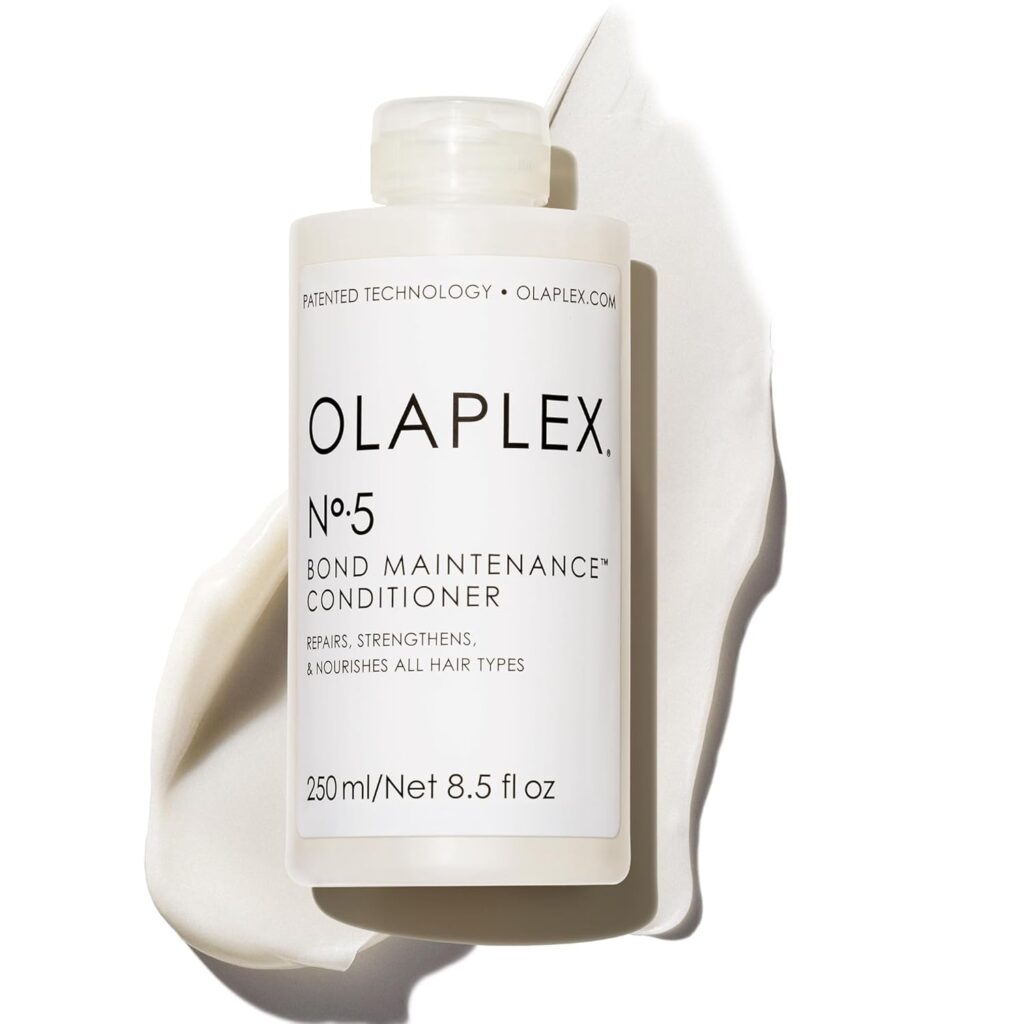
A good conditioner is non-negotiable for dry hair — but you need the right one.
Most people with dry hair are underconditioning. They rinse it out too fast, use too little, or skip it on days when they’re in a rush.
A rich, creamy conditioner with slip is what you need. Slip means the conditioner makes your hair smooth enough that a comb can glide through without snagging. That alone reduces breakage significantly.
What to look for:
- Shea butter or mango butter
- Amino acids
- Thick, creamy texture (not watery)
👉 Check this conditioner on Amazon
How to use it right: Apply from mid-shaft to ends, comb through with a wide-tooth comb, and leave on for 3–5 minutes before rinsing.
3. Best Hair Mask for Deep Repair
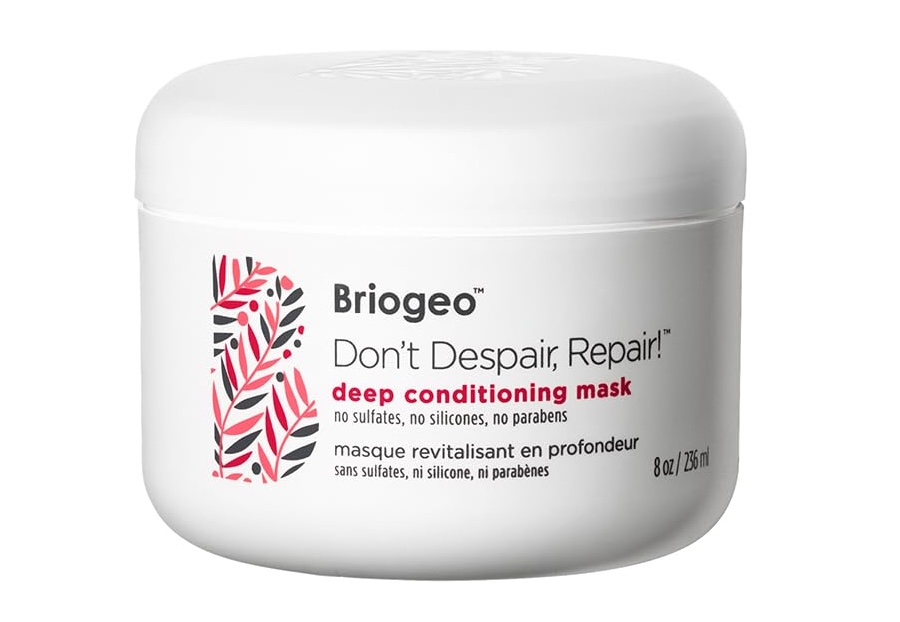
If you’re only doing one thing differently after reading this — make it a weekly hair mask.
Deep conditioning treatments penetrate the hair shaft in a way that regular conditioner simply can’t. They’re thicker, more concentrated, and designed to stay on longer so the ingredients can actually work.
Think of it like a face mask — but for your hair. It’s that extra step that makes the real difference.
What to look for:
- Bond-building technology (like those used in salon treatments)
- Rice protein or keratin
- Ceramides
- Free of silicones that cause buildup
👉 Check this hair mask on Amazon
How often: Once a week for severely damaged hair. Every 2 weeks for maintenance once things improve.
4. Best Leave-In Conditioner
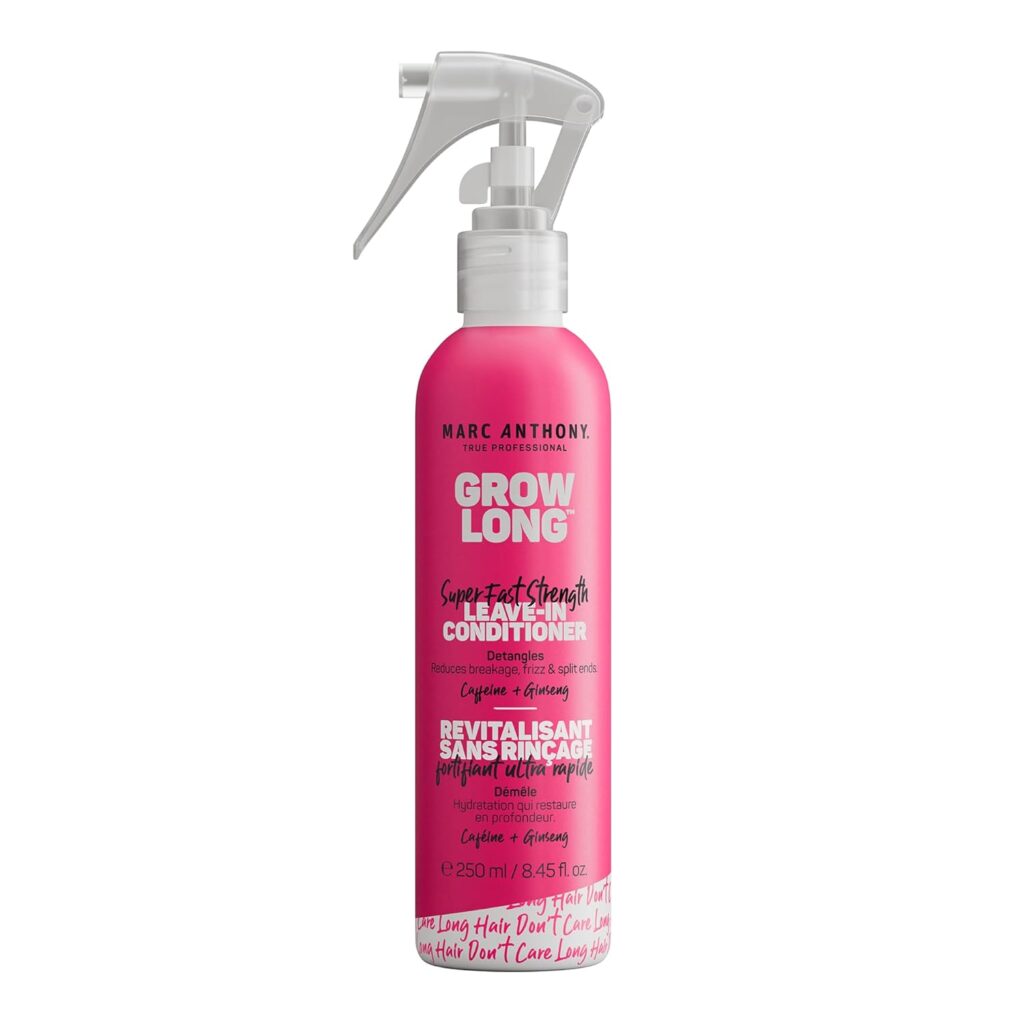
A leave-in conditioner is the bridge between your shower routine and styling — and for dry hair, it’s absolutely essential.
It keeps your hair hydrated throughout the day, reduces frizz, adds a layer of protection against heat and environmental damage, and makes your hair more manageable before styling.
The key is choosing one that’s lightweight but effective. A leave-in that’s too heavy will weigh your hair down and make it look greasy. Too light and it won’t do anything.
What to look for:
- Water as the first ingredient
- Aloe vera or glycerin for moisture
- Lightweight oils (like argan or grapeseed)
- No heavy waxes or petrolatum
👉 Check this leave-in conditioner on Amazon
Application tip: Apply on damp (not soaking wet) hair. Focus on the mid-lengths and ends. Scrunch it in, don’t rub.
5. Best Hair Oil for Shine
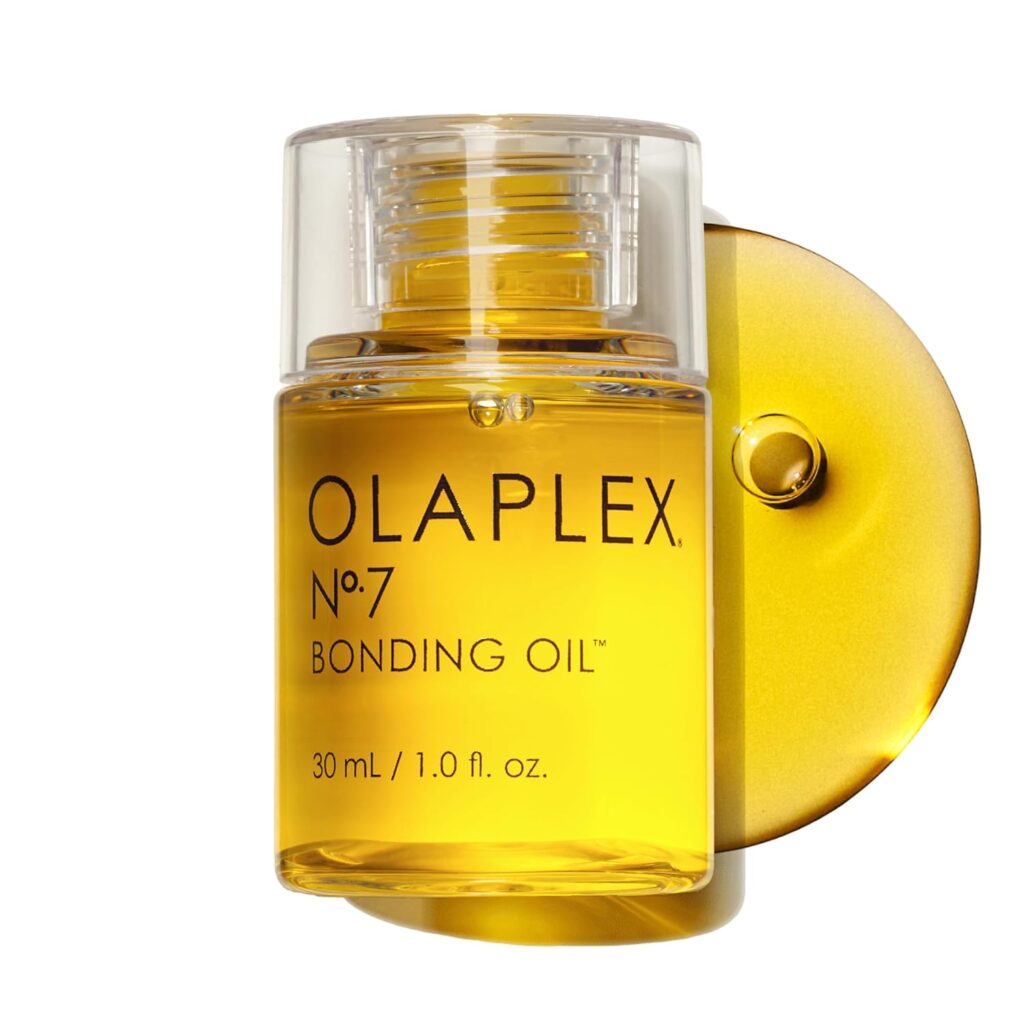
If your hair looks dull and feels rough even after washing, hair oil is your answer.
Hair oil doesn’t repair damage from the inside — but it does something incredibly important: it seals the cuticle so moisture doesn’t escape. It also adds instant shine and reduces frizz and flyaways in seconds.
The difference between a good hair oil and a greasy mess is all about how you apply it.
What to look for:
- Argan oil, jojoba oil, or marula oil
- Lightweight formula (not coconut oil — too heavy for most hair types)
- No added silicones if your scalp tends to get oily
👉 Check this hair oil on Amazon
How to use it: Rub 1–2 drops between your palms, then smooth over your hair from mid-shaft to ends. Less is more. You can also use it on dry hair to tame frizz before heading out.
How to Use These Products Together (The Right Order)
Getting the right products is step one. Using them in the right order is step two.
Here’s the routine that actually works:
Wash day:
- Shampoo (roots only)
- Conditioner (mid-lengths to ends, 3–5 min)
- Hair mask (swap with conditioner once a week)
- Towel dry gently (squeeze, don’t rub)
- Leave-in conditioner (on damp hair)
- Hair oil (last step, to seal everything in)
Between wash days:
- Use a satin pillowcase to reduce friction
- Avoid touching your hair too much (oils from your hands transfer)
- Refresh with a light mist of water + leave-in if needed
Common Questions About Dry, Damaged Hair
How long does it take for damaged hair to recover?
It depends on how damaged your hair is. With consistent care, you can see noticeable improvement in 4–8 weeks. But truly damaged hair may need several months of a solid routine — and in some cases, a trim to remove the worst of it.
Should I use protein treatments on damaged hair?
Yes, but balance is key. Too much protein without enough moisture can make hair feel brittle and stiff. A good rule: alternate between moisture-focused masks and protein treatments every couple of weeks.
Can damaged hair be fully repaired?
Hair is technically “dead” once it grows out of the follicle — so you can’t repair it the way skin heals. What you can do is restore the appearance, softness, and manageability of damaged strands while protecting the new growth coming in. Most people are amazed at how different their hair looks and feels after just 6–8 weeks of the right routine.
Is it okay to use heat on damaged hair?
Ideally, minimize heat as much as possible while your hair is recovering. If you do use heat tools, always use a heat protectant and keep temperatures below 350°F. Air drying is your best friend right now.
Final Thoughts
Dry, damaged hair isn’t a life sentence — but it does require the right approach.
The good news: the products in this list aren’t complicated or expensive. They’re just the right tools for the job. Combine them with a little patience and consistency, and you’ll be amazed at how much your hair can change.
Start with the shampoo and conditioner if you’re just getting started. Add the mask once a week. Then layer in the leave-in and oil as finishing steps.
That’s the whole routine. Simple, effective, and actually enjoyable.
👉 Shop the full routine:
- Best Shampoo for Damaged Hair
- Best Conditioner for Dry Hair
- Best Hair Mask for Deep Repair
- Best Leave-In Conditioner
- Best Hair Oil for Shine
All product links are Amazon affiliate links. Prices and availability may vary.