Scalp Care 101: Why Your Scalp Health Affects Your Hair More Than You Think
Your scalp is the foundation of every hair goal you have. Learn why scalp health directly affects hair growth, how to spot the signs of an unhealthy scalp, and the best products — from anti-dandruff shampoos to rosemary oils — to get your scalp routine right.
Affiliate Disclaimer: Her Daily Lab is a participant in the Amazon Services LLC Associates Program. We may earn a small commission — at no extra cost to you — when you purchase through our links.
You wash your hair. You condition it. You use serums, heat protectants, and the fanciest dry shampoo on the market.
But if your scalp is being ignored? None of that is working as hard as it could.
Here’s the truth: your scalp is skin. And just like the skin on your face, it needs real care — cleansing, nourishment, and the right products for its specific needs.
In this guide, you’ll learn exactly why scalp health is the #1 factor in hair growth, how to identify what your scalp actually needs, and the best products to start using right now.
What Your Scalp Is Actually Doing (And Why It Matters)
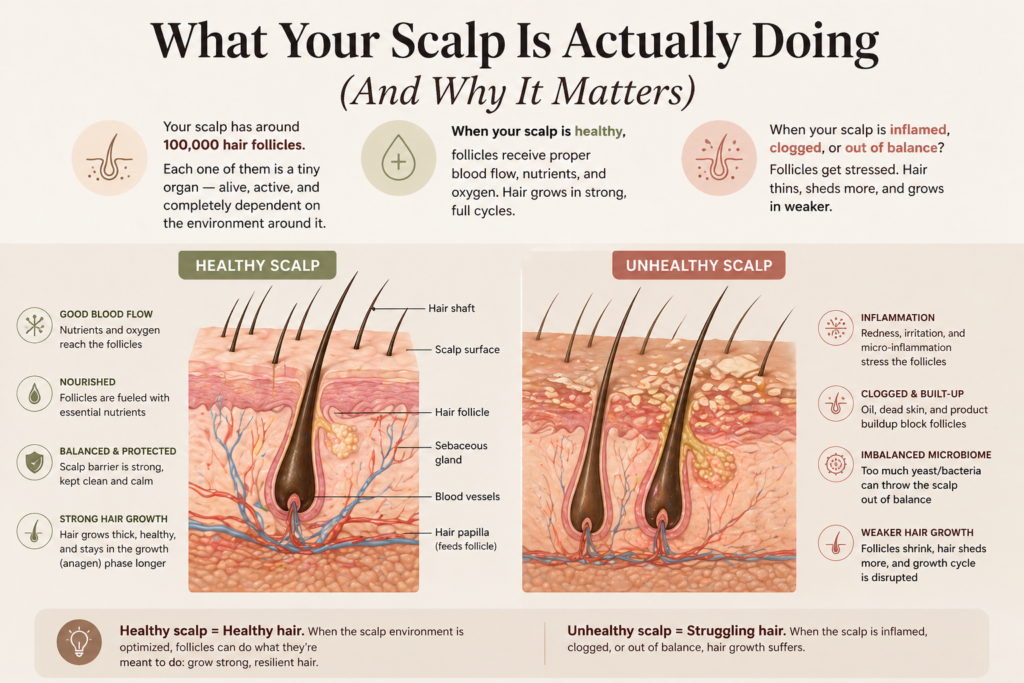
Your scalp has around 100,000 hair follicles. Each one of them is a tiny organ — alive, active, and completely dependent on the environment around it.
When your scalp is healthy, follicles receive proper blood flow, nutrients, and oxygen. Hair grows in strong, full cycles.
When your scalp is inflamed, clogged, or out of balance? Follicles get stressed. Hair thins, sheds more, and grows in weaker.
The Scalp-Hair Growth Connection
Think of your scalp as soil in a garden. You can plant the best seeds (use the best hair products), but if the soil is dry, full of debris, or lacking nutrients — nothing will thrive.
Research consistently shows that scalp inflammation, buildup, and fungal imbalance are leading contributors to hair thinning and excessive shedding. The fix doesn’t start at the strand — it starts at the root.
5 Signs Your Scalp Is Crying Out for Help
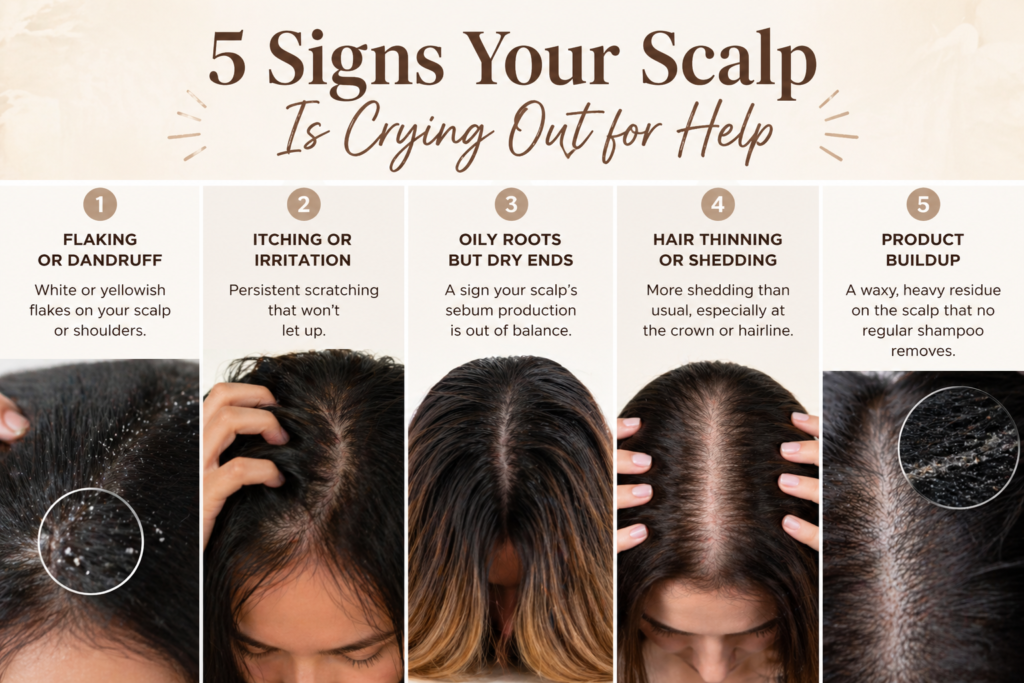
Most people don’t realize their scalp has a problem until the damage is already showing up in their hair. Watch out for these red flags:
- Flaking or dandruff — white or yellowish flakes on your scalp or shoulders
- Itching or irritation — persistent scratching that won’t let up
- Oily roots but dry ends — a sign your scalp’s sebum production is out of balance
- Hair thinning or shedding more than usual — especially at the crown or hairline
- Product buildup — a waxy, heavy residue on the scalp that no regular shampoo removes
If even one of these sounds familiar, your scalp routine needs a serious upgrade.
The Most Common Scalp Issues (And What Actually Fixes Them)
Dandruff and Flaking
Dandruff is one of the most common scalp conditions in the US, affecting nearly half of all adults at some point. It’s usually caused by a naturally occurring fungus called Malassezia that overproduces on the scalp and triggers inflammation and flaking.
The most effective ingredients to look for? Ketoconazole, selenium sulfide, pyrithione zinc, and salicylic acid.
🧴 Nizoral Anti-Dandruff Shampoo with 1% Ketoconazole — dermatologist-recommended, clinically proven to target the fungus at the root of dandruff. One of the most trusted drugstore options for moderate to stubborn flaking.
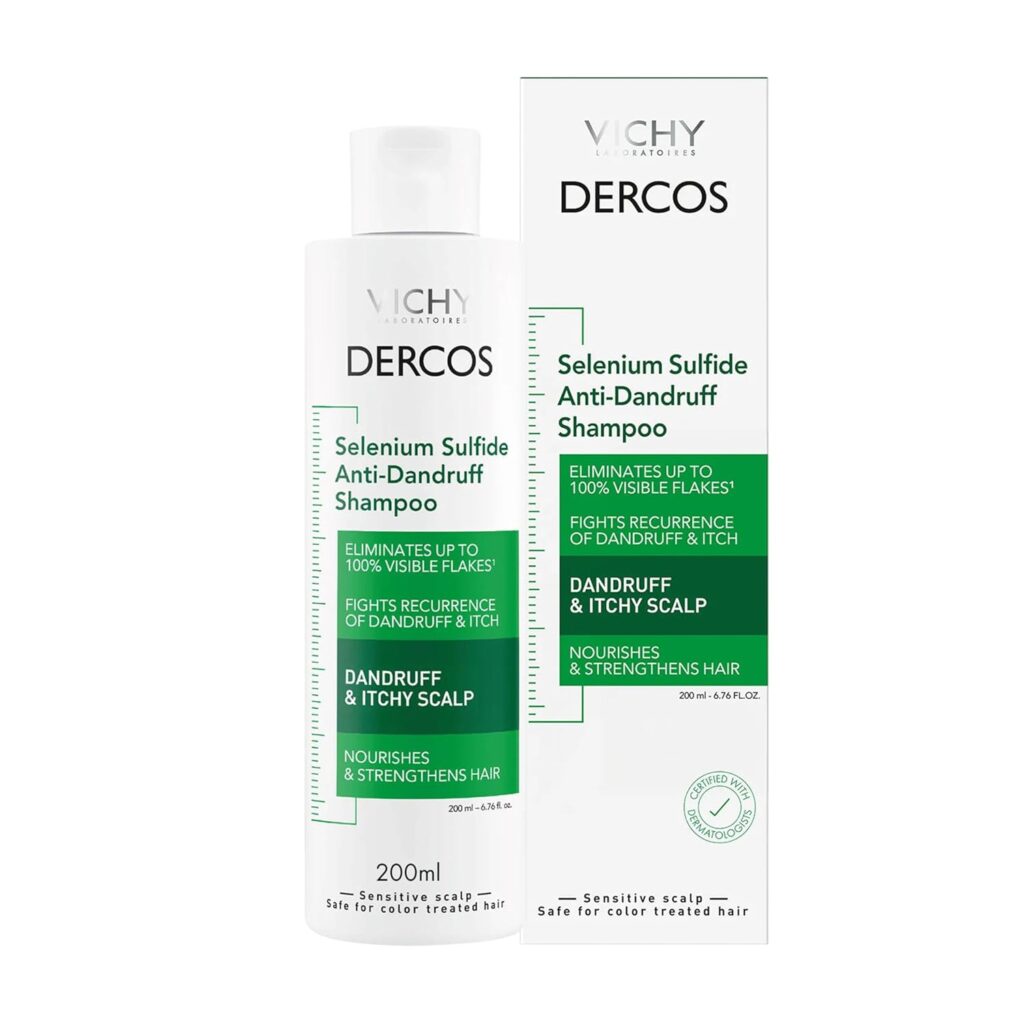
🧴 VICHY Dercos Dandruff Shampoo — prescription-strength selenium sulfide in a gentle, salon-quality formula. Ideal for dry, flaky scalps or those dealing with more severe dandruff.
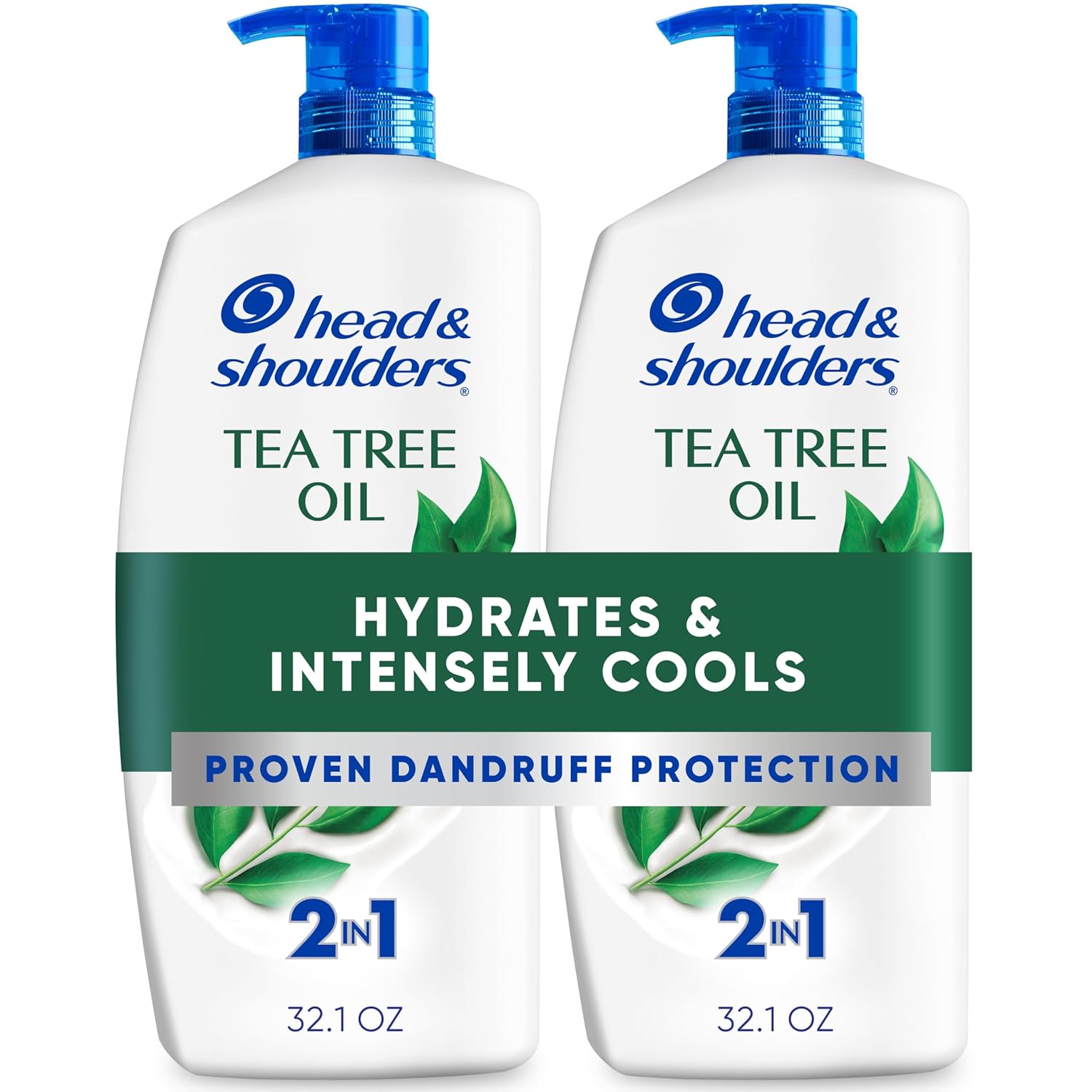
🧴 Head and Shoulders Tea Tree 2-in-1 Twin Pack — a budget-friendly classic with 1% pyrithione zinc and the soothing power of tea tree oil. Great for maintenance or mild dandruff.
Scalp Psoriasis
Scalp psoriasis is different from regular dandruff — it involves thicker, silver-white scales and can cause redness, soreness, and intense itching. Salicylic acid is key here, as it helps soften and remove the buildup of dead skin cells that create those thick plaques.
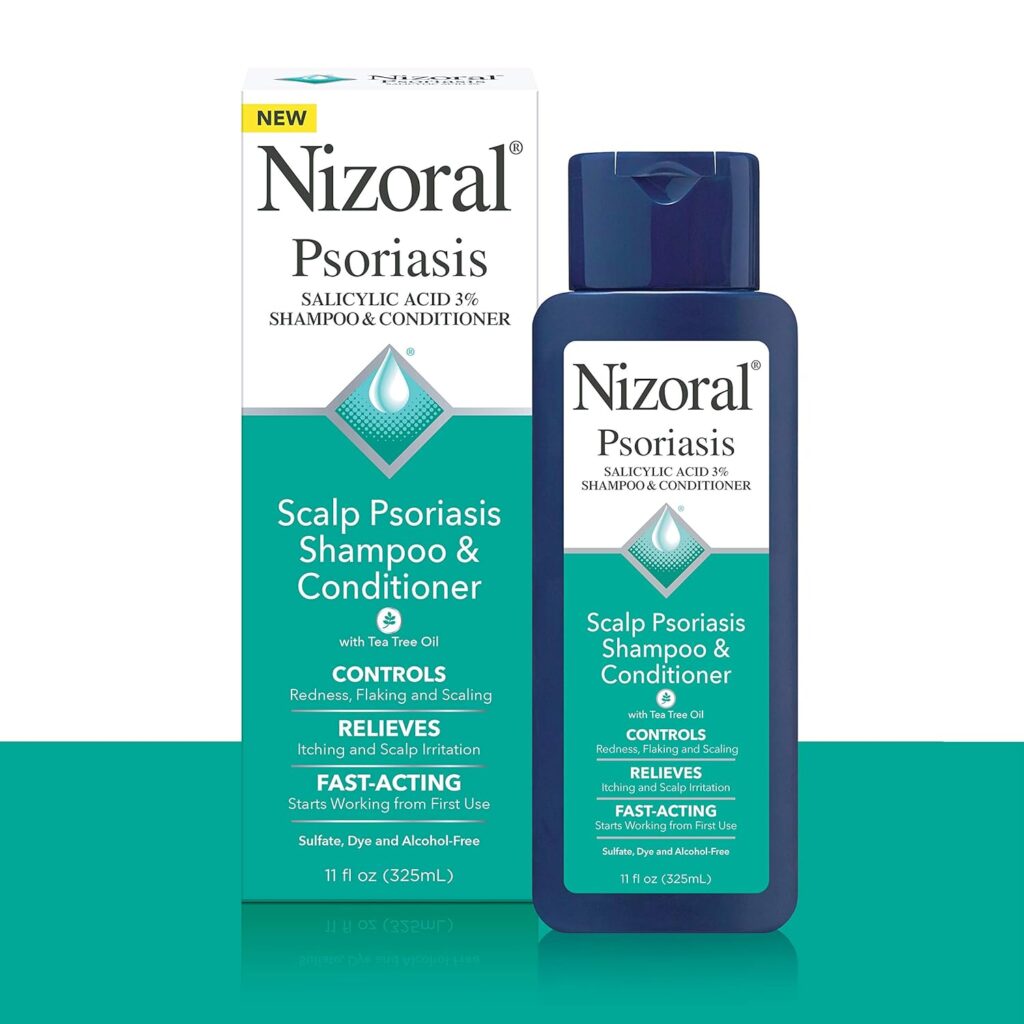
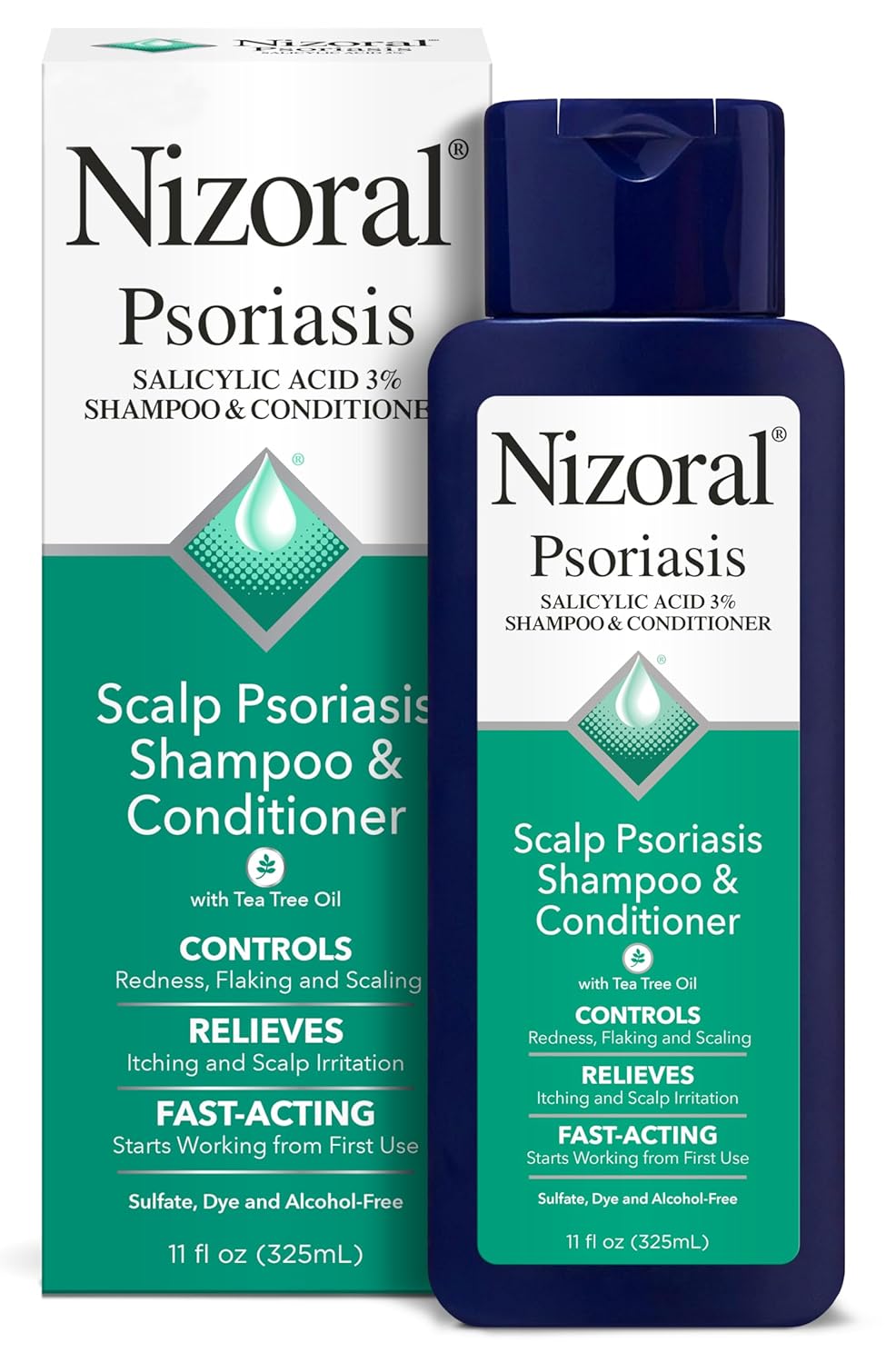
🧴 Nizoral Psoriasis Shampoo and Conditioner with Salicylic Acid and Tea Tree — a 2-in-1 specifically formulated for scalp psoriasis. Relieves itching, reduces flaking and redness, and gentle enough for regular use.
Product Buildup and Oily Scalp
Dry shampoo. Styling creams. Leave-in conditioners. They’re amazing — but they build up. Over time, product residue, excess sebum, and hard water minerals create a literal barrier on your scalp. This blocks follicles and suffocates hair growth.
The solution? A clarifying shampoo used once a week or every two weeks.
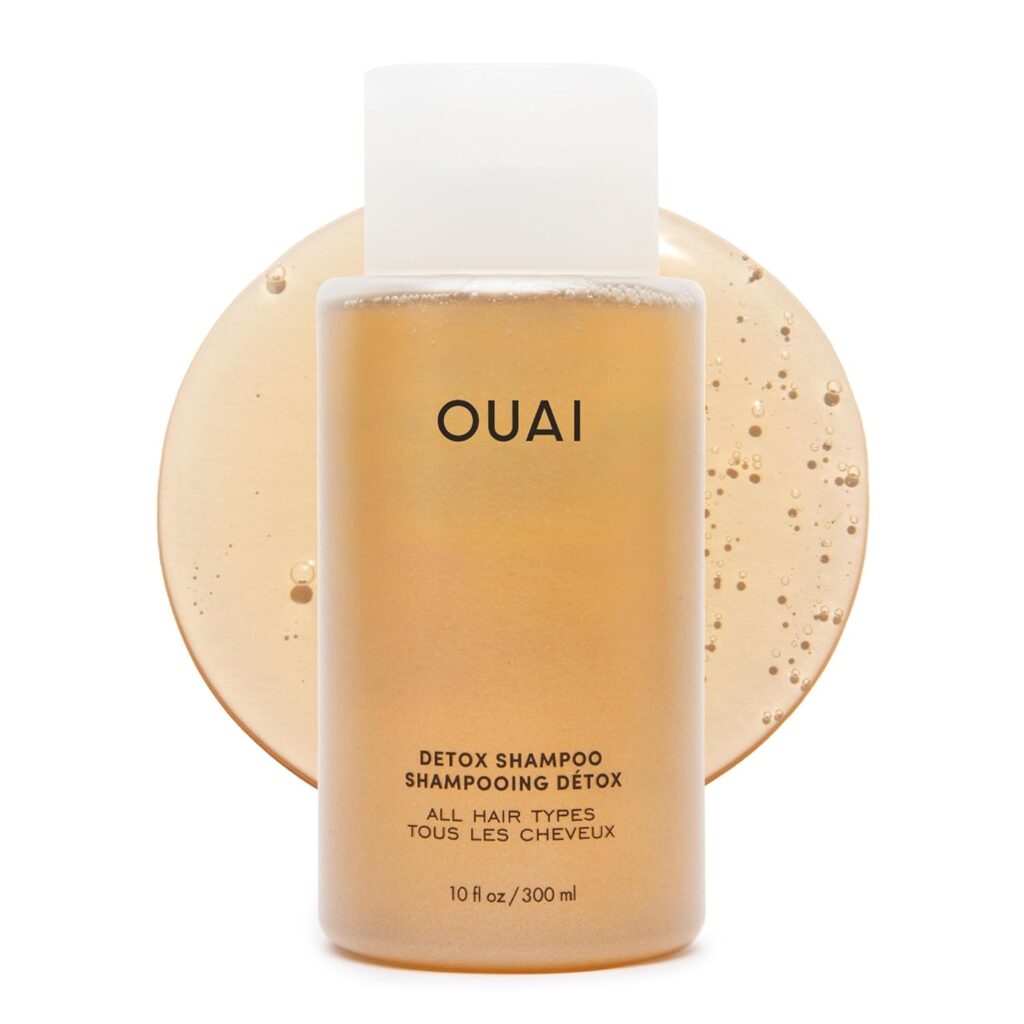
🧴 OUAI Detox Shampoo — one of the most raved-about clarifying shampoos in the US. Apple cider vinegar removes buildup while keratin keeps hair from getting stripped dry. Sulfate-free and smells incredible.
Pro tip: Follow a clarifying session with a scalp oil or deep mask — your strands will absorb nutrients better on a freshly clean scalp.
How to Actually Nourish Your Scalp (Not Just Clean It)
Cleansing is step one. But a truly healthy scalp needs nourishment too — circulation, moisture, and targeted ingredients that support follicle health from the inside out.
Scalp Oils That Actually Work
Scalp oils aren’t just a trend — they’re backed by real results. Rosemary oil in particular has been making waves in hair science. A 2023 study found it just as effective as minoxidil for improving hair density — with fewer side effects.
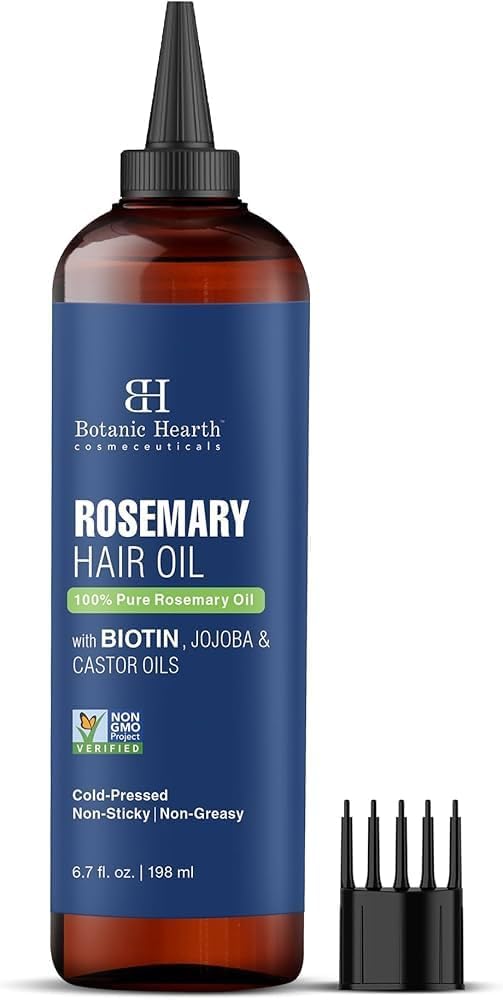
🌿 Botanic Hearth Hair Oil with Rosemary, Biotin, Castor and Jojoba — a powerhouse blend of growth-supporting oils in one bottle. Lightweight and absorbs beautifully without feeling greasy. Safe for color-treated hair and all hair types.
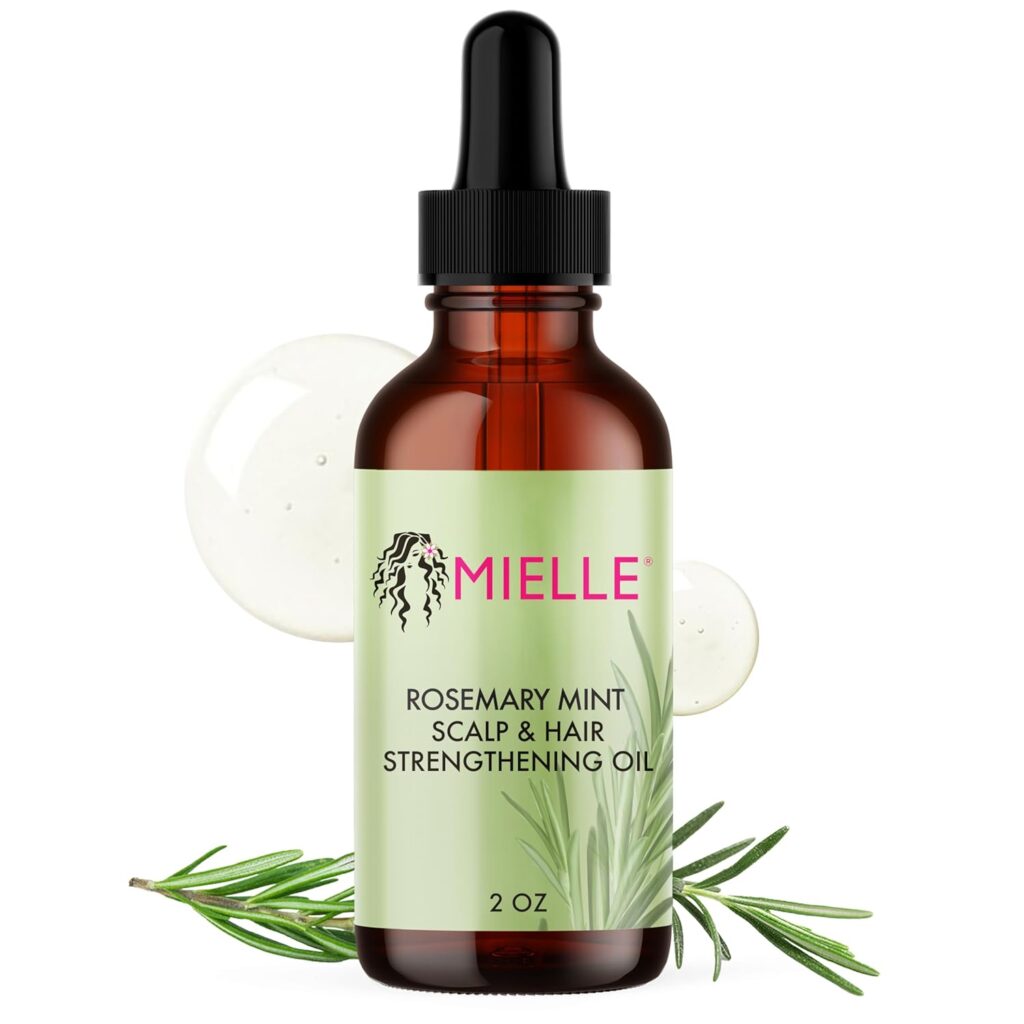
🌿 Mielle Organics Rosemary and Mint Hair Oil with Biotin — a cult-favorite in the natural hair community. The peppermint gives a cooling, stimulating sensation on the scalp. Great for fine or damaged hair.
Scalp Serums for Targeted Treatment
If oils feel too heavy, scalp serums offer a lightweight, fast-absorbing alternative with concentrated active ingredients.
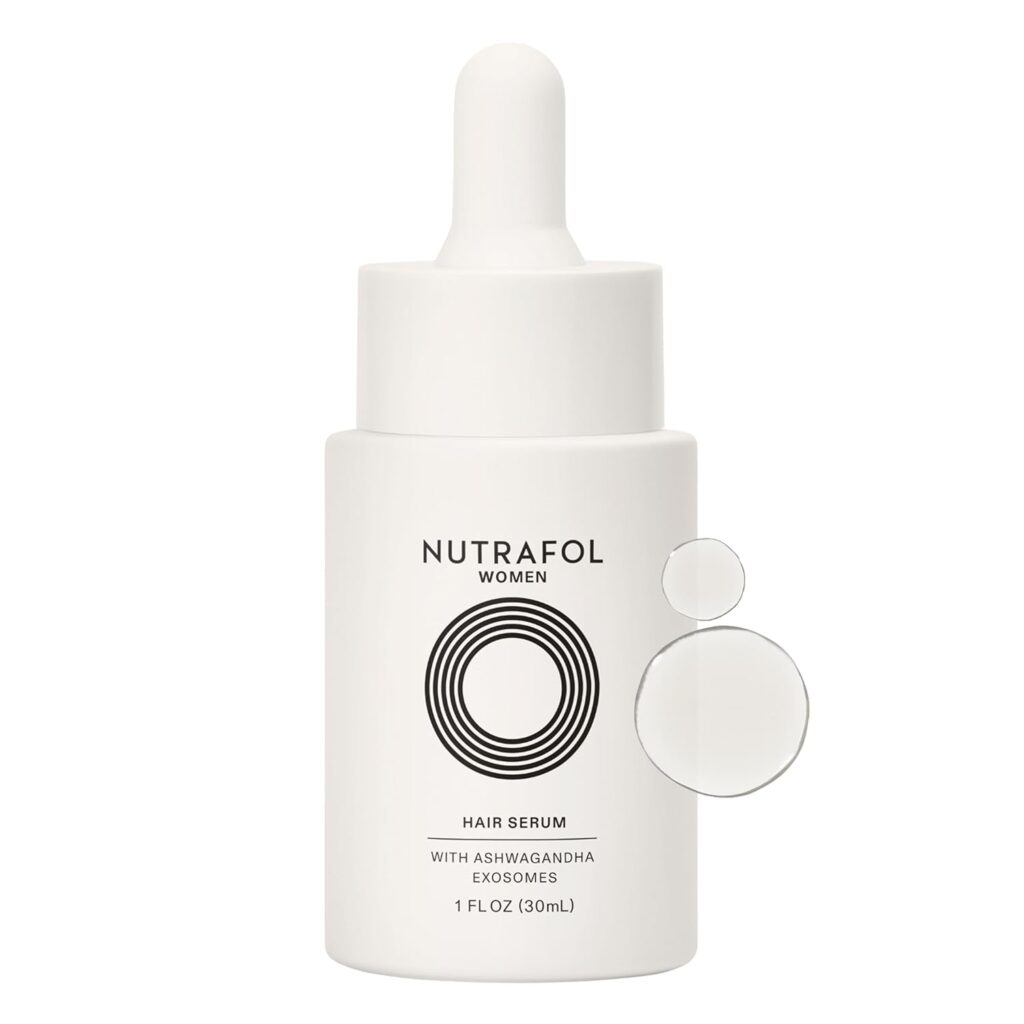
💧 Nutrafol Women’s Hair Serum — one of the most talked-about serums for women dealing with thinning or slow growth. Vegan formula that supports thicker, stronger-looking hair over time.
Scalp Balms for Dry or Sensitive Scalps
Got a dry, flaky scalp that isn’t quite dandruff — just thirsty? A scalp balm delivers moisture right where you need it most.
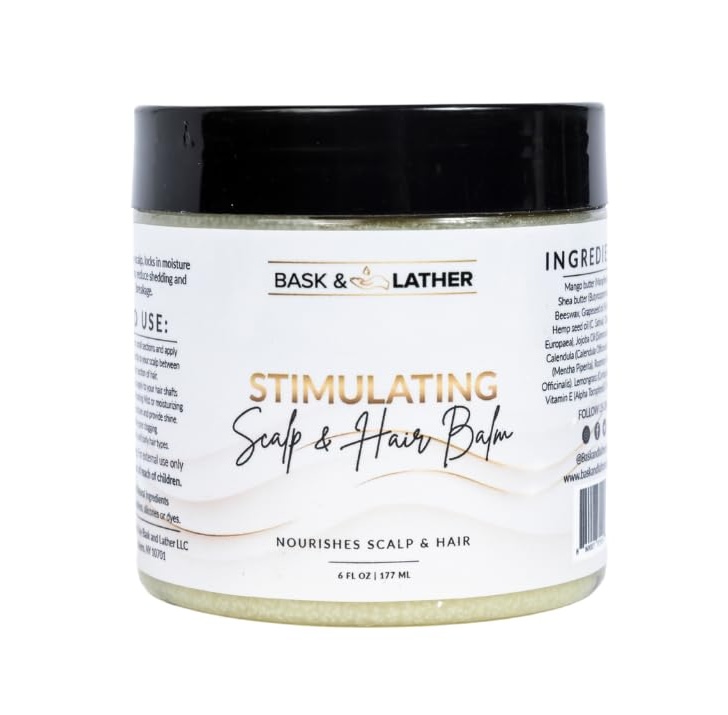
🫧 Bask and Lather Stimulating Scalp Balm with Mango Butter, Peppermint and Rosemary — a rich but non-greasy balm packed with nourishing butters and growth-supporting botanicals. Perfect for dry scalp or anyone wanting to level up their weekly ritual.
Building a Simple Scalp Care Routine (That You Will Actually Stick To)
You don’t need a 10-step scalp routine. You just need a consistent one. Here’s a simple framework to start with:
Weekly Routine:
- Clarify once a week (or every two weeks if your hair is dry) with a detox shampoo
- Treat with a medicated or anti-dandruff shampoo if needed, 2–3x per week
- Massage a scalp oil into your roots 2–3x per week, at least 30 minutes before washing
- Nourish daily with a lightweight serum if hair thinning is a concern
Monthly: do a deeper clarifying treatment and assess whether your scalp is drier, oilier, or more irritated — then adjust products accordingly. Your scalp changes with the seasons, hormones, and diet.
People Also Ask: Scalp Care Questions, Answered
Can a bad scalp cause hair loss?
Yes — absolutely. Chronic scalp inflammation, fungal overgrowth, or severe product buildup can disrupt the hair growth cycle and lead to increased shedding. Addressing scalp health early is one of the most effective ways to prevent long-term thinning.
How often should I wash my scalp?
It depends on your scalp type. Oily scalps may need washing every day or every other day. Dry or sensitive scalps do better with 2–3 washes per week. The key is using the right shampoo for your needs — not just shampooing more.
Is rosemary oil really good for hair growth?
The research is promising. Studies have shown rosemary oil can improve scalp circulation and support follicle health over time. It won’t work overnight, but consistent use — especially through scalp massage — does make a difference for many women.
What is the difference between dandruff and dry scalp?
Dandruff flakes are usually oily and yellowish, caused by a fungal imbalance. Dry scalp flakes are small, white, and powdery — caused by lack of moisture. They look similar but require different treatments. Dandruff needs antifungal ingredients; dry scalp needs hydration.
Can I use a scalp oil every day?
Most scalp oils are safe for daily use, especially lightweight formulas like rosemary or jojoba oil. Just apply sparingly to avoid buildup — a few drops massaged into the scalp goes a long way.
The Bottom Line on Scalp Health
Your hair is only as healthy as the scalp it grows from.
Dandruff, buildup, dryness, inflammation — these aren’t just cosmetic annoyances. They’re signs your scalp needs real attention. And fixing them doesn’t require expensive treatments or a full routine overhaul.
Start with one change: a clarifying shampoo, a scalp oil, or a targeted treatment for what your scalp specifically needs. Give it 4–6 weeks of consistent use and you’ll start to see the difference — not just in how your scalp feels, but in how your hair looks, grows, and behaves.
Your scalp is the foundation. Take care of it.