How to Organize Your Kitchen (Especially If You Have ADHD)
If your kitchen feels overwhelming, cluttered, or exhausting to use, you are not alone. This post contains affiliate links. This means we…
If your kitchen feels overwhelming, cluttered, or exhausting to use, you are not alone.
This post contains affiliate links. This means we may earn a small commission if you purchase through these links, at no additional cost to you. We only recommend products we believe add real value to your routine.
For people with ADHD, the kitchen can easily become a source of stress:
- Too many visual stimuli
- Hard-to-reach items
- Forgotten food
- Decision fatigue every time you cook
The key insight is this:
A well-organized kitchen is not about aesthetics. It is about reducing cognitive load.
Once that changes, everything else follows:
- Cooking becomes easier
- You waste less food
- You feel calmer at home
- Your routine becomes more consistent
1. Reduce Visual Chaos
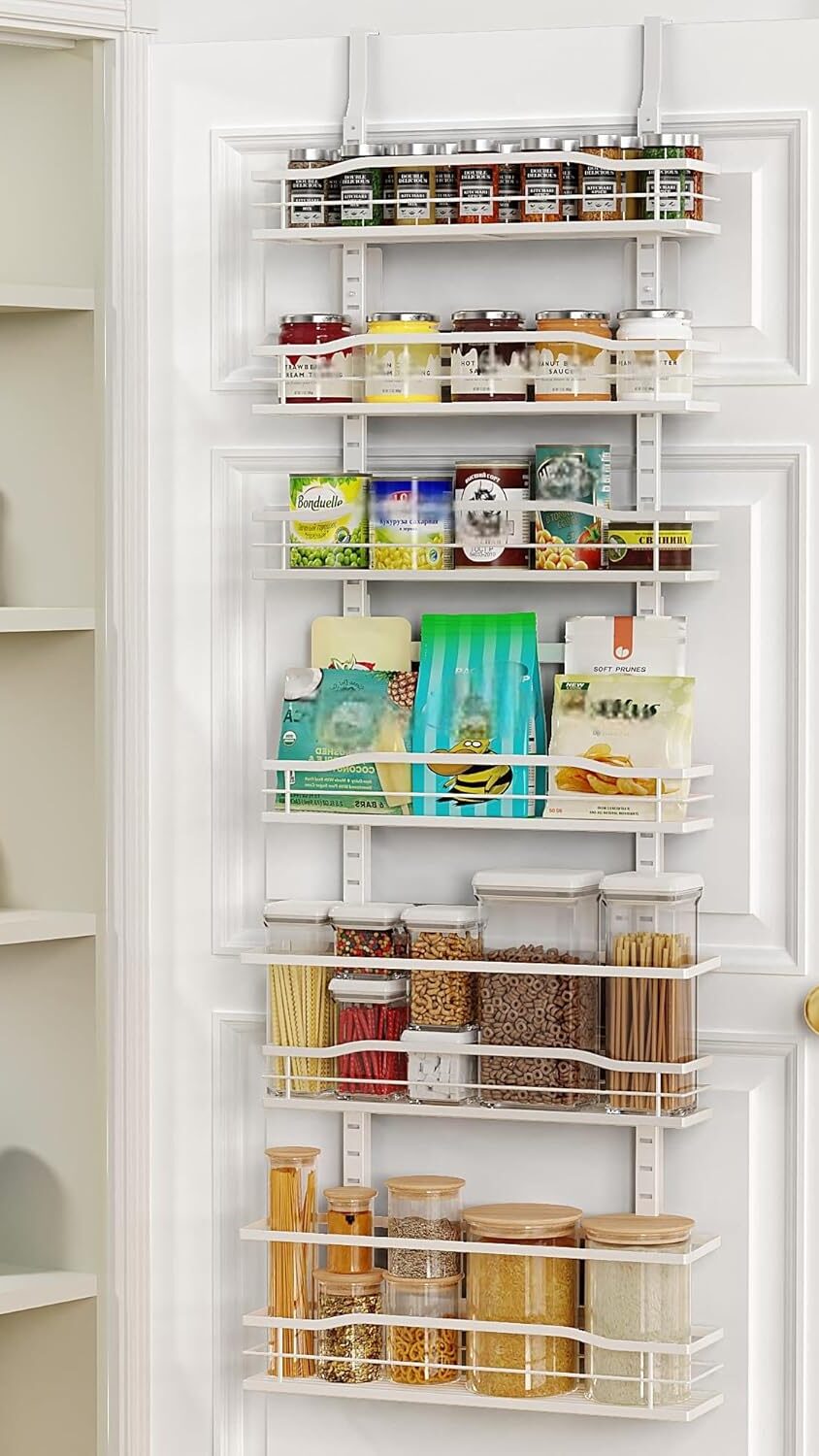
ADHD brains are highly sensitive to visual clutter.
When everything is visible, your brain tries to process everything at once, which leads to overwhelm and avoidance.
The goal is not to hide everything, but to create controlled visibility.
One of the most effective solutions is using vertical storage systems like an over-the-door pantry organizer.
This type of organizer:
- Moves excess items out of your main visual field
- Uses unused vertical space
- Keeps frequently used items accessible but contained
A useful rule: If you see everything, you feel overwhelmed. If you see nothing, you forget. You need a balance between the two.
2. Make Everything Easy to Reach
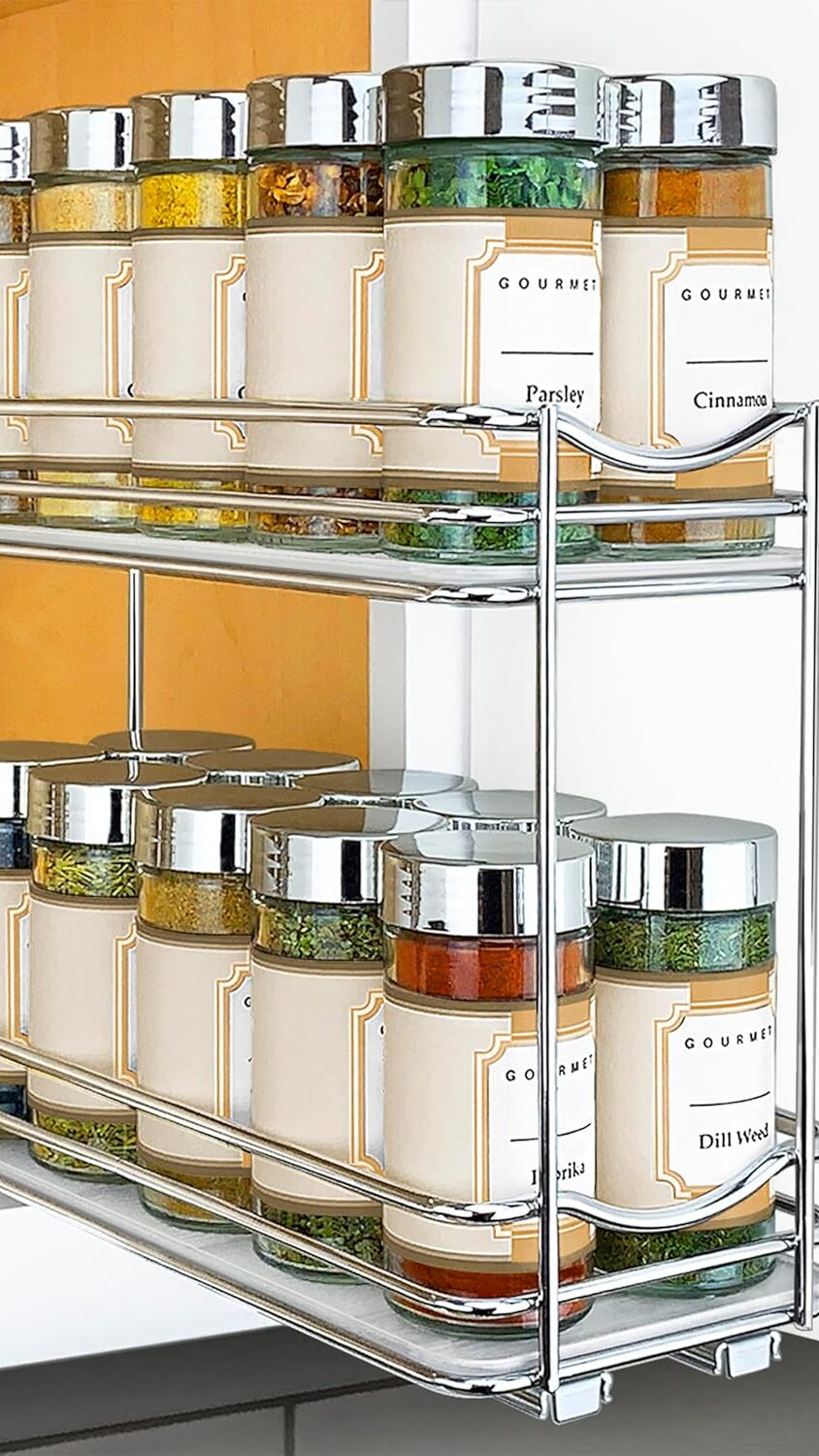
Deep cabinets are one of the biggest friction points for people with ADHD.
If something is hard to access, your brain treats it as if it does not exist.
This is where pull-out systems make a major difference.
A sliding spice rack:
- Eliminates the need to search
- Makes everything visible instantly
- Reduces effort, which increases consistency
The principle is simple: The easier something is to access, the more likely you are to use it.
3. Create Functional Zones
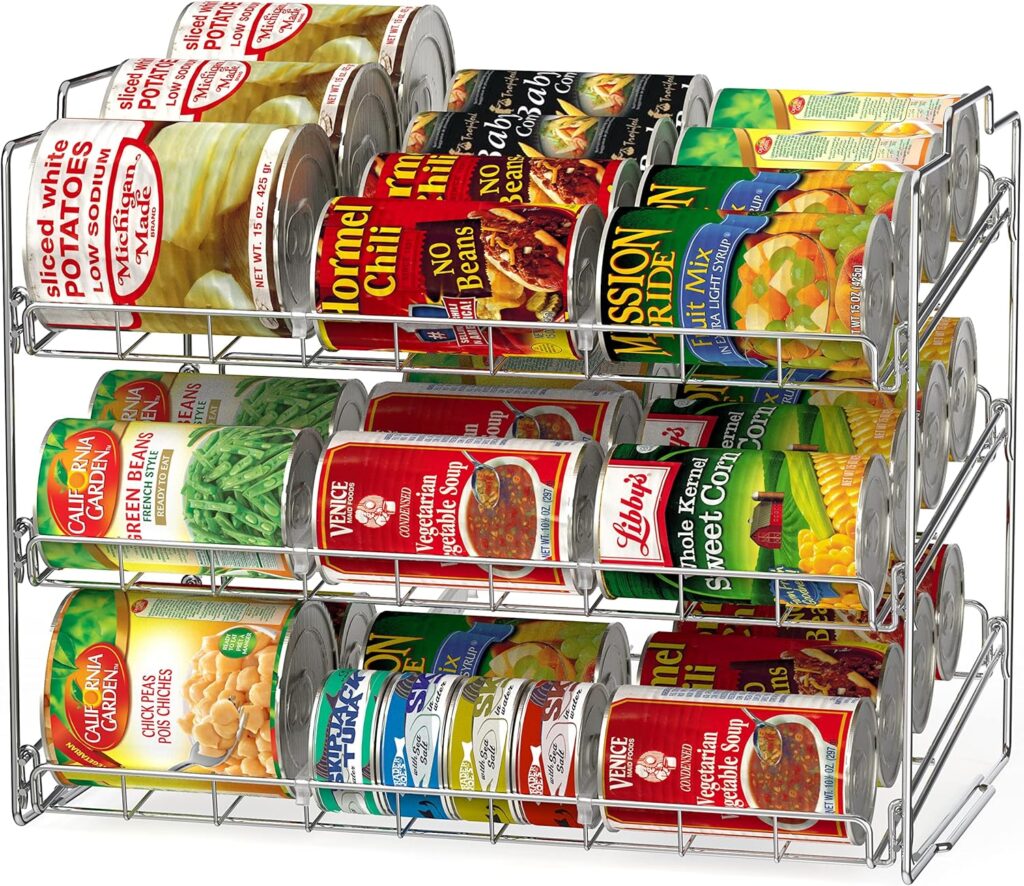
ADHD makes random storage unsustainable.
Items need a clear and consistent “home”.
Instead of organizing by category, organize by function:
- Coffee station
- Breakfast zone
- Cooking essentials
A structured can organizer helps reinforce this system.
It:
- Keeps items aligned and visible
- Prevents food from being forgotten
- Reduces the time spent searching
Less searching means less cognitive fatigue.
4. Use Clear Containers
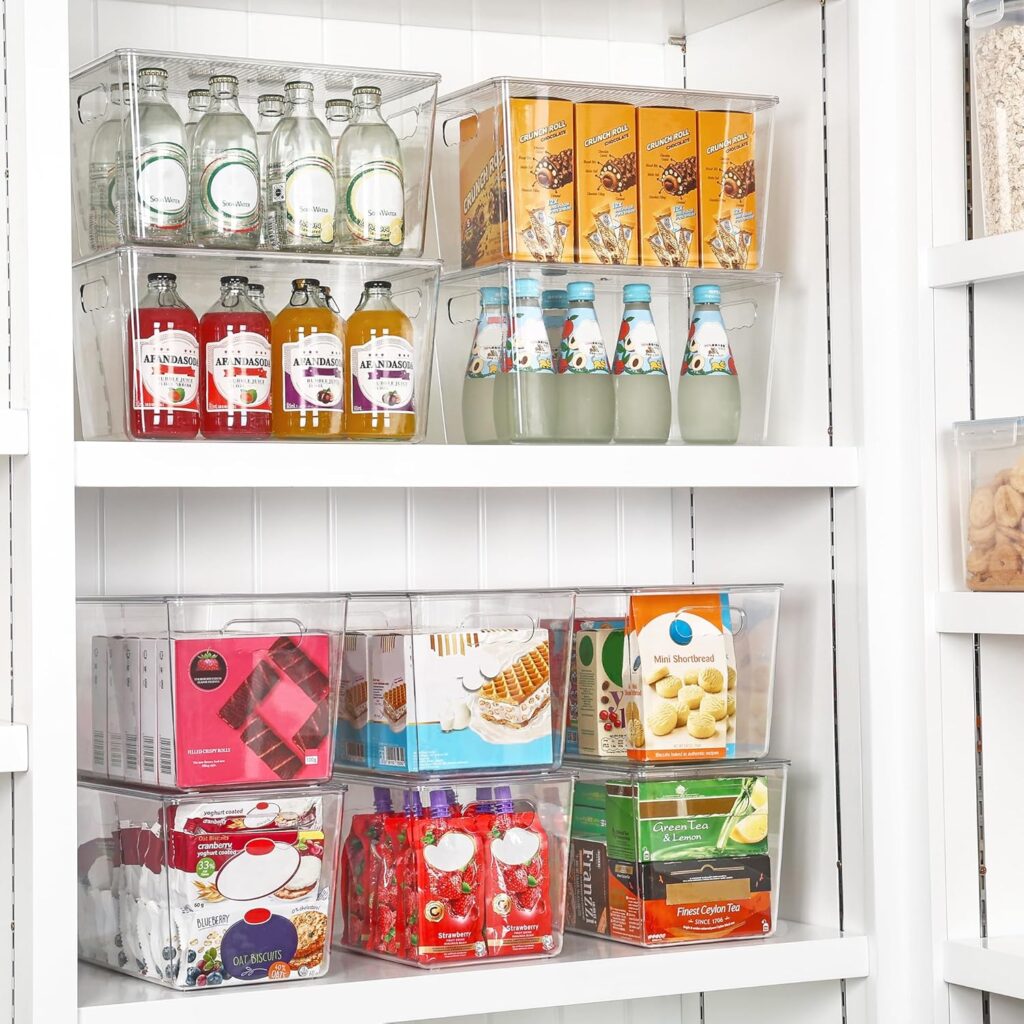
Working memory is often reduced in ADHD.
If you cannot see something, you are more likely to forget it exists.
Transparent storage solves this problem.
Clear bins:
- Allow instant visual access
- Reduce the need to remember
- Make retrieval faster and easier
This is one of the highest impact changes for daily functioning.
5. Maximize Vertical Space Without Adding Complexity
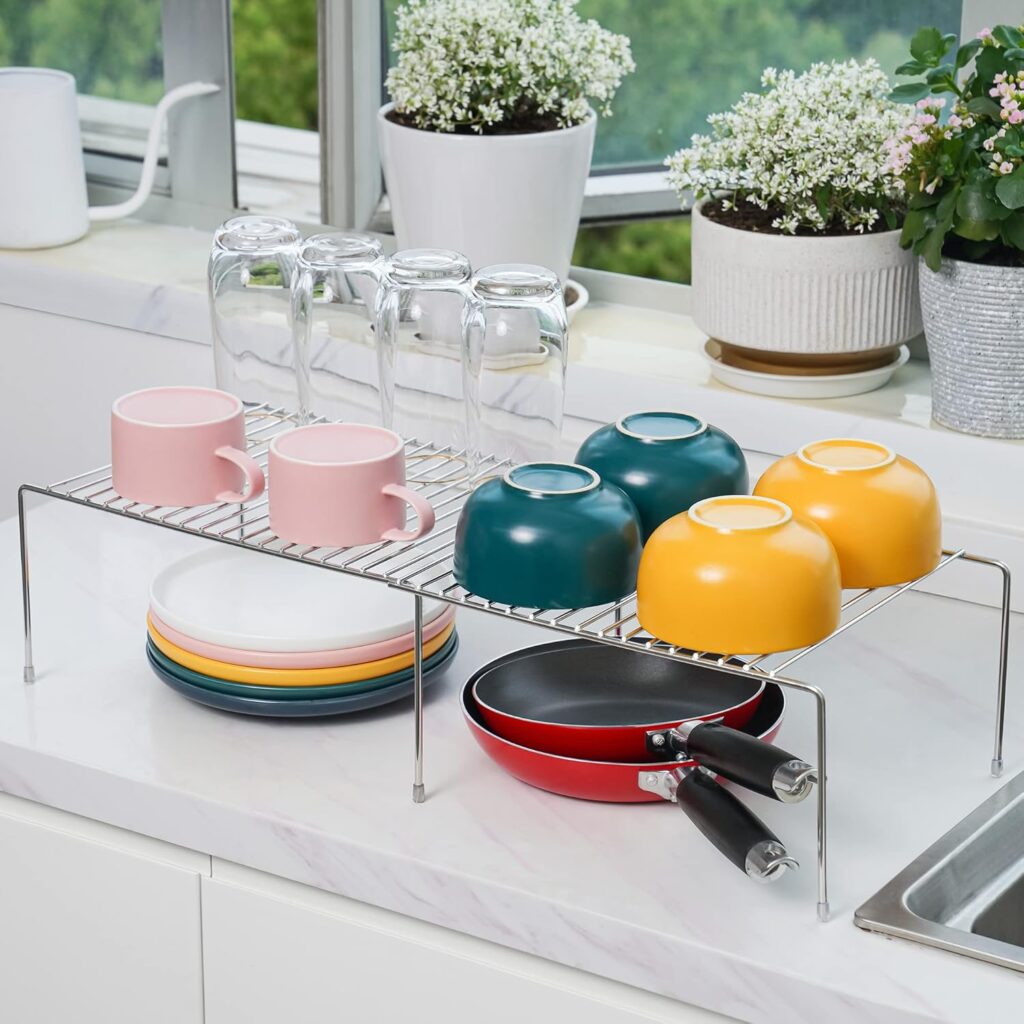
More space does not automatically mean better organization.
What matters is usable, structured space.
Expandable shelves are a simple way to achieve this.
They:
- Create multiple layers inside cabinets
- Increase visibility
- Improve accessibility without adding complexity
6. Organize Hidden Areas
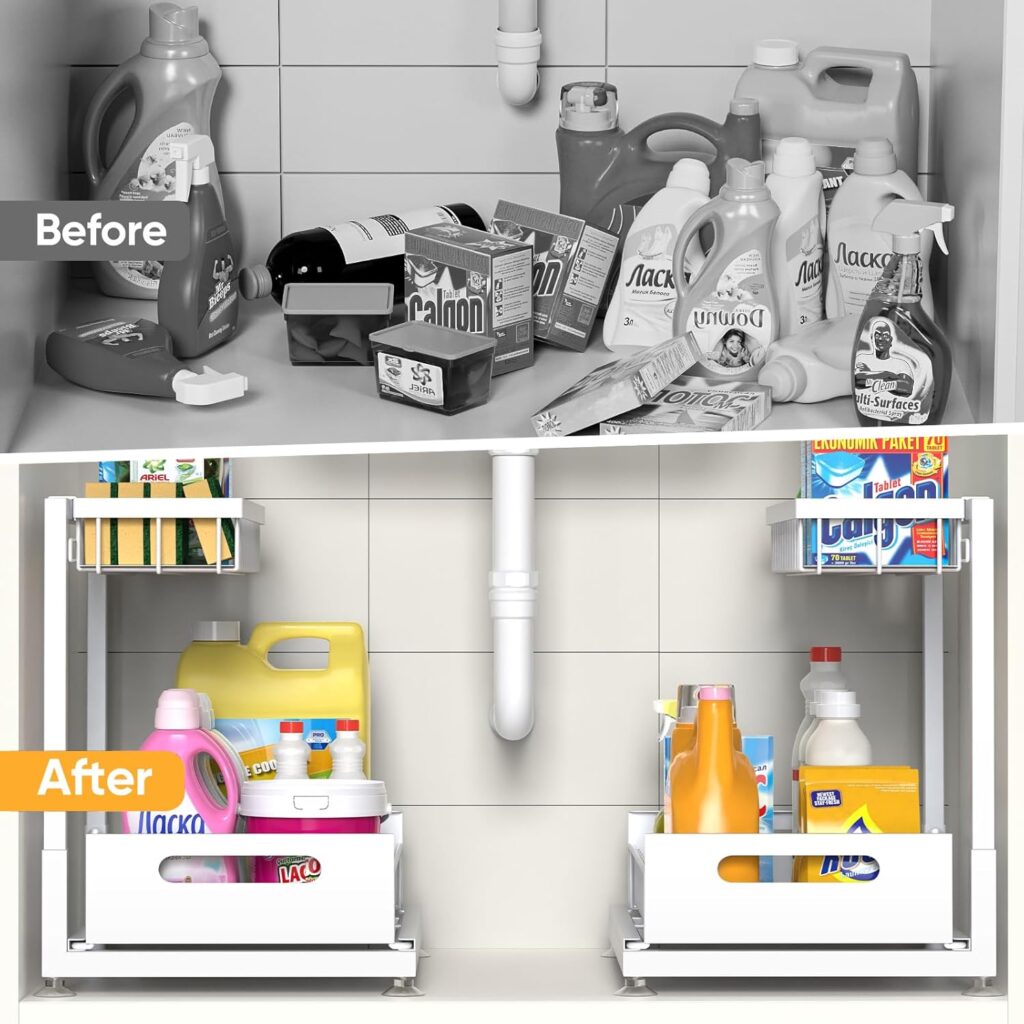
Spaces like under the sink are often neglected, but they contribute significantly to daily friction.
For someone with ADHD, this creates constant low-level stress.
A pull-out organizer can completely change how this space functions.
It:
- Makes cleaning supplies easy to access
- Eliminates clutter buildup
- Reduces frustration in everyday tasks
The Real Benefit: Mental Clarity
This is not just about organizing a kitchen.
It is about creating an environment that supports how your brain works.
For ADHD, environment strongly influences behavior.
When your kitchen is structured:
- You cook more consistently
- You make better food choices
- You avoid unnecessary stress
- You feel more in control of your routine
Final Thought
You do not need a perfect kitchen.
You need a system that reduces friction.
Start small:
- One drawer
- One cabinet
- One zone
Consistency will come from simplicity, not perfection.